
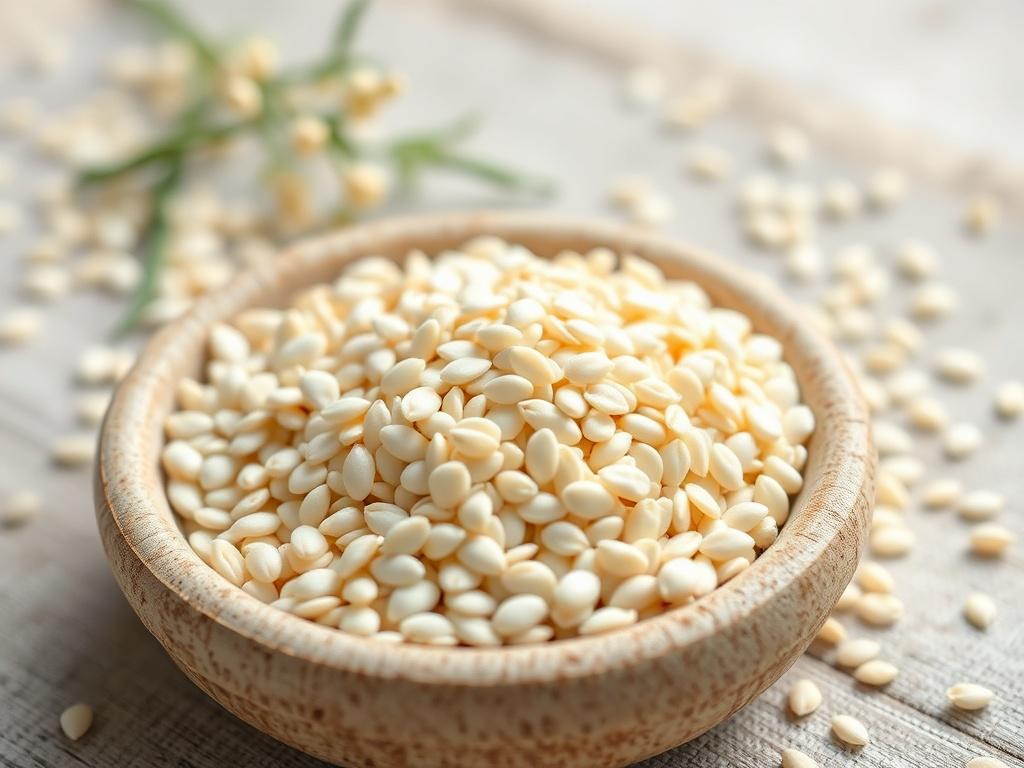
White sesame seeds are tiny, flat, ivory-colored seeds that pack a punch of flavor and nutrition. With their delicate, nutty taste and satisfying crunch, these seeds have found their way into kitchens across the globe, becoming a staple ingredient in diverse culinary traditions. Whether sprinkled over a vibrant stir-fry, blended into creamy tahini, or garnished atop a fresh salad, white sesame seeds not only enhance the aesthetic of dishes but also add a gentle, toasty richness that brings culinary creations to life. Their culinary versatility knows no bounds, making them a beloved choice for chefs and home cooks alike.
Beyond their delightful flavor, white sesame seeds are nutritional powerhouses that contribute health benefits to any diet. Rich in healthy fats, protein, and essential minerals like calcium and magnesium, these small seeds symbolize nourishment and tradition. As we embark on a flavorful journey exploring the many uses and benefits of white sesame seeds, join us in discovering how these unassuming seeds have earned their place as a key ingredient in dishes from East to West. Whether you’re seeking new ways to elevate your meals or looking to embrace a healthier lifestyle, white sesame seeds offer a simple yet elegant addition to your culinary repertoire.
The delightful journey of white sesame seeds: Flavor and culinary versatility
White sesame seeds are tiny, flat, ivory-colored gems that elevate dishes with their delicate, nutty flavor and satisfying crunch. Often hulled to showcase their pale interior, these seeds offer a milder, slightly sweeter taste than their darker, unhulled relatives. Their subtle flavor profile allows them to blend effortlessly into a variety of dishes, making them a staple in global cuisines. Whether sprinkled over a vibrant East Asian stir-fry or incorporated into a luscious sushi roll, white sesame seeds bring both aesthetic appeal and depth to each meal.
The culinary versatility of white sesame seeds knows no bounds. In Middle Eastern cuisine, they play a crucial role in creating rich tahini and beloved sweets like halva. In the West, you might find them adorning freshly baked burger buns or sprinkled over salads, adding a delightful crunch and visual appeal. When lightly roasted, these seeds develop a toasty richness that enhances their flavor, making them irresistible. From street food stalls to fine dining establishments, white sesame seeds embark on a delightful journey, transforming ordinary dishes into extraordinary culinary experiences.
Nutritious powerhouses: The health benefits of white sesame seeds
White sesame seeds pack a powerful nutritional punch, making them a valuable addition to any diet. They boast a rich content of healthy fats, primarily in the form of unsaturated fatty acids, which can support heart health by reducing cholesterol levels. Moreover, these tiny seeds serve as an excellent source of plant-based protein, contributing to muscle maintenance and overall health. On top of that, white sesame seeds are loaded with essential minerals like calcium, which strengthens bones, and magnesium, which aids in muscle and nerve function. Incorporating these seeds into your meals can help you meet your daily nutrient requirements effortlessly.
Beyond their macronutrient profile, white sesame seeds are also rich in antioxidants and fiber, promoting digestion and overall wellness. Antioxidants, such as sesamin and sesamolin, help combat oxidative stress in the body, supporting a healthy immune system. Additionally, the fiber content in these seeds aids in digestion and contributes to a feeling of fullness, which can assist in weight management. Sprinkle white sesame seeds on your dishes not only for their delightful flavor but also for their numerous health benefits, making them a tiny yet mighty addition to your daily nutrition regimen.
Elevating dishes with white sesame seeds: From East to West
White sesame seeds add an exquisite touch to dishes across various cuisines, seamlessly blending into both traditional and modern recipes. In East Asian cooking, these tiny seeds often find their way into stir-fries, sushi, and noodle dishes, providing a delightful crunch and a nutty aroma. A sprinkle of toasted white sesame seeds enhances the visual appeal of dishes, transforming simple meals into culinary masterpieces. They also feature prominently in Middle Eastern recipes, where they form the base of tahini—a creamy, rich paste made from ground sesame seeds that elevates dips and sauces. With their ability to absorb flavors, white sesame seeds adapt effortlessly to any dish, making them a favorite for chefs and home cooks alike.
Transitioning to Western cuisines, white sesame seeds bring a unique touch to everyday meals. They adorn burger buns, adding elegance and a satisfying crunch with each bite. Sprinkling them over salads enriches texture and flavor, making greens even more enjoyable. Additionally, incorporating white sesame seeds into baked goods—like bread, bagels, and granola—imparts a deliciously subtle nuttiness. Their versatility knows no bounds, proving that these small seeds can dramatically elevate a broad spectrum of dishes, from savory to sweet. With their delicate flavor and visual charm, white sesame seeds are a culinary gem that inspires creativity in kitchens worldwide.