
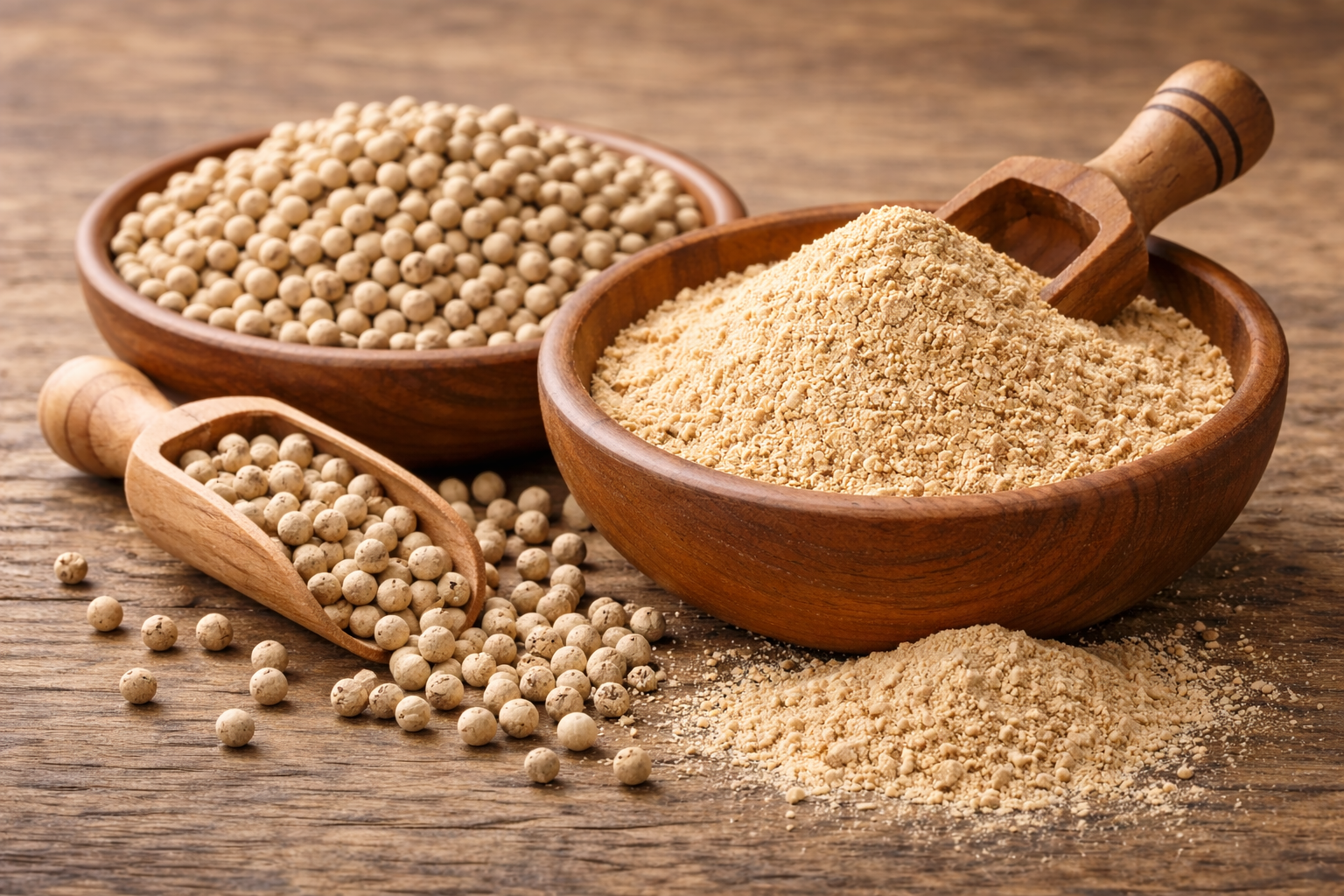
White pepper begins its journey as the same berry as black pepper, embarking on a fascinating transformation that distinguishes it from its well-known counterpart. By removing the outer dark husk through soaking and rubbing, we reveal a smooth, pale seed that embodies a distinct flavor profile. This meticulous process not only mellows the heat associated with black pepper but also eliminates its earthy, piney notes. The result is a cleaner, sharper spiciness with subtle fermented undertones, making white pepper a unique ingredient in the culinary world.
As a beloved spice in French, Chinese, and Scandinavian cuisines, white pepper gracefully elevates a variety of dishes. It shines in pale sauces, creamy soups, potato dishes, and light-colored batters, where the dark specks of black pepper could disrupt the visual appeal. Offering refined warmth without the intrusive color, white pepper serves as the elegant, discreet cousin of spices—a whisper of fire in a velvet glove. Join us as we explore the journey of white pepper, its subtle elegance in culinary traditions, and how you can discover its refined heat in your favorite recipes.
The fascinating journey of white pepper: From berry to spice
White pepper begins its journey as the same fruit as black pepper, but its transformation into a distinct spice unfolds through a detailed process. Initially, both peppers come from the berries of the Piper nigrum plant. However, to create white pepper, producers soak the ripe berries to loosen their outer dark husk. Following this soaking period, they rub the berries, removing the husk and revealing the smooth, pale seed inside. This meticulous technique not only changes the appearance of the spice but also mellows its heat while stripping away the earthy, piney notes characteristic of black pepper.
This unique processing method alters the flavor profile of white pepper. As the outer husk disappears, what remains is a cleaner, sharper spiciness complemented by subtle fermented undertones. This refined taste enhances various dishes without overpowering them. By understanding the fascinating journey of white pepper, we can appreciate the care and artistry involved in its creation, setting the stage for its prominent role in cuisines worldwide.
The subtle elegance of white pepper in culinary traditions
White pepper holds a special place in various cuisines around the world, celebrated for its refined and nuanced flavor profile. In French cooking, chefs often prefer white pepper in delicate sauces and soups, where the visual impact of black pepper flecks might detract from the dish's presentation. The spice gracefully elevates classic recipes like béchamel and velouté, allowing the chef to showcase their technique while delivering an unassuming kick of flavor. Meanwhile, in Chinese cuisine, white pepper enhances dishes like dumplings and stir-fries, providing a warmth that complements fresh ingredients without overwhelming them.
The allure of white pepper extends to Scandinavian cooking as well. Here, it finds its way into creamy gravies and traditional potato dishes, allowing for a harmonious balance of warmth and subtlety. Chefs in this region appreciate white pepper's ability to lend depth to flavors while ensuring that the dish maintains a light and airy appearance. As culinary traditions continue to evolve, the unique characteristics of white pepper enable it to seamlessly blend with diverse flavors, making it an essential ingredient for those seeking to refine their culinary creations.
Discovering the refined heat of white pepper in your favorite dishes
White pepper’s unique flavor profile elevates a variety of dishes with its subtle yet impactful heat. When you incorporate white pepper into creamy soups and pale sauces, it infuses these recipes with warmth without introducing visual distractions. Chefs often favor it for its ability to enhance flavors without altering the dish's appearance, allowing the other ingredients to shine. Using it in potato dishes, for instance, brings out a refined spiciness that complements the earthiness of the potatoes, creating a luxurious and harmonious dining experience.
In addition to its culinary versatility, white pepper thrives in recipes that call for delicate flavors. When added to light-colored batters, such as those for cakes or soufflés, it offers a whisper of warmth that intrigues the palate without overwhelming it. This discretion makes white pepper a staple in traditional French cuisine. With its nuanced heat and subtle fermented undertones, white pepper proves to be an essential ingredient, inviting home cooks and professional chefs alike to explore new dimensions of flavor in their favorite dishes.