
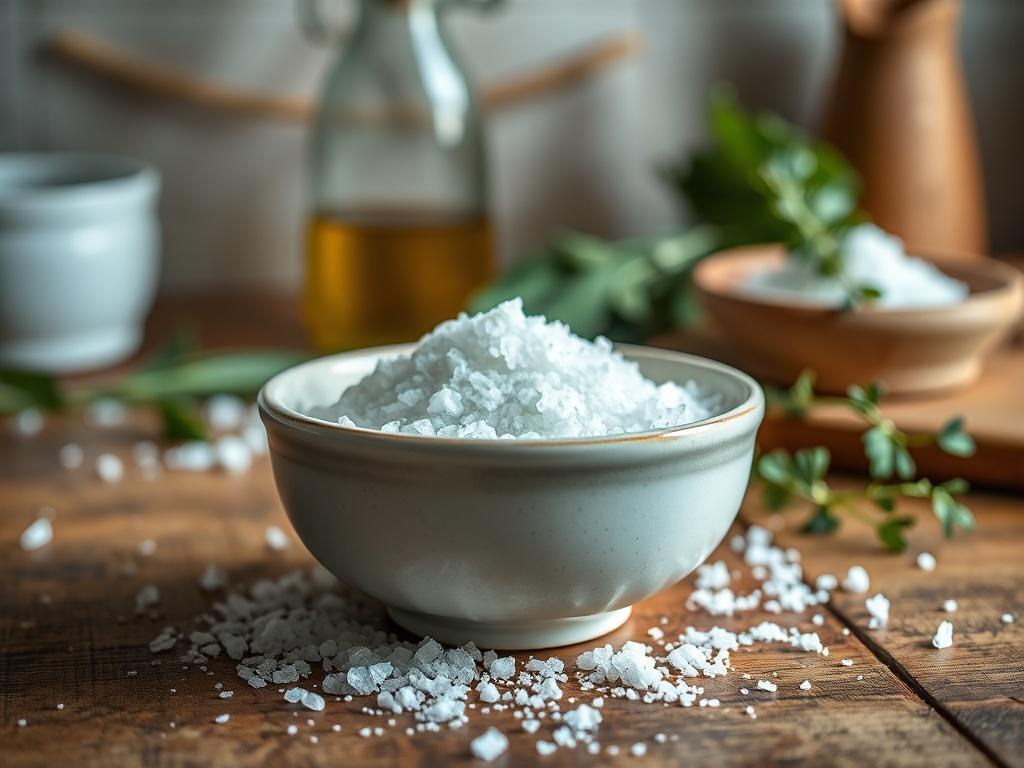
Salt is a well known seasoning that makes and destroys the flavors. Before going in details here is a basic and authentic tip for usage of salt in daily cooking for beginners.
Salt is a fundamental ingredient in cooking that not only enhances natural flavors but also transforms ordinary dishes into outstanding culinary creations. Its unique ability to balance taste makes it an essential component in every kitchen. However, the art of seasoning with salt is more nuanced than simply sprinkling it on at the end. To truly elevate your cooking, understanding how and when to incorporate salt is crucial in developing the dish’s flavor profile.
In this blog post, we will explore the importance of adding salt in stages, allowing flavors to develop evenly throughout the dish. By seasoning early in the cooking process, you enable ingredients to release their moisture and fully absorb the delightful taste of salt. We will also discuss the need for moderation—finding the perfect balance between too little and too much—so your dishes delight the palate rather than overwhelm it. Join us as we delve into the techniques of salt usage that will elevate your cooking to new heights.
Understanding the art of seasoning with salt
Salt is a fundamental ingredient in cooking that elevates natural flavors and balances taste. While it might seem simple, mastering the use of salt is an essential culinary skill that can make or break a dish. It works by enhancing the flavors of the ingredients, bringing out their best characteristics, and creating a harmonious blend of tastes. Whether you're preparing a savory stew or a delicate fish, the right amount of salt unlocks flavors that might otherwise go unnoticed, transforming an ordinary meal into an extraordinary experience.
Moreover, seasoning with salt goes beyond just adding it to a dish; it's about understanding when and how much to use. Each ingredient interacts differently with salt, and the timing of its addition plays a crucial role in the overall flavor development. By incorporating salt at various stages of cooking, you allow the flavors to evolve, helping ingredients release moisture and absorb the seasoning effectively. This thoughtful approach ensures that your dish achieves a satisfying depth of flavor that delights the palate.
The importance of stage-by-stage salt addition
When incorporating salt into your cooking, timing truly makes a difference. Adding salt at various stages throughout the cooking process allows the ingredients to develop their natural flavors more completely. For instance, sprinkling salt on vegetables at the beginning helps them shed moisture, making it easier for them to caramelize and deepen in flavor. This gradual infusion not only enhances the dish but also encourages the ingredients to absorb the seasoning, resulting in a harmonious blend of tastes. Early seasoning sets the foundation for the final dish, creating a layered taste experience.
Moreover, waiting to add salt towards the end of cooking enables you to fine-tune the overall flavor. This last-minute adjustment can restore freshness and balance, ensuring that the saltiness does not overpower other nuanced flavors. By tasting and adjusting throughout the cooking process, you become attuned to the evolution of the dish. Ultimately, stage-by-stage salt addition empowers you to achieve a well-rounded dish that is both flavorful and balanced, allowing each ingredient to shine in its own right.
Striking the perfect balance: taste, adjust, and savor
Achieving the perfect balance in cooking requires ongoing adjustments as you incorporate salt. Begin by sampling your dish after each seasoning stage. This practice allows you to gauge the flavor intensity and determine if it needs more salt. Remember, adding too much salt at once can overwhelm the dish, masking the other flavors. By tasting frequently, you can make informed decisions on how much salt to add, ensuring that all elements harmonize beautifully.
Moderation is key when cooking with salt. If you find the dish lacking flavor, gradually increase the salt in small increments, retasting after each addition. This method not only prevents over-salting but also encourages a deeper appreciation of the ingredients themselves. As you hone your palate, you’ll learn to recognize when a dish feels complete. So, take your time to savor the cooking process, adjust the seasoning as needed, and enjoy the rewarding outcome of balanced, flavorful dishes.