
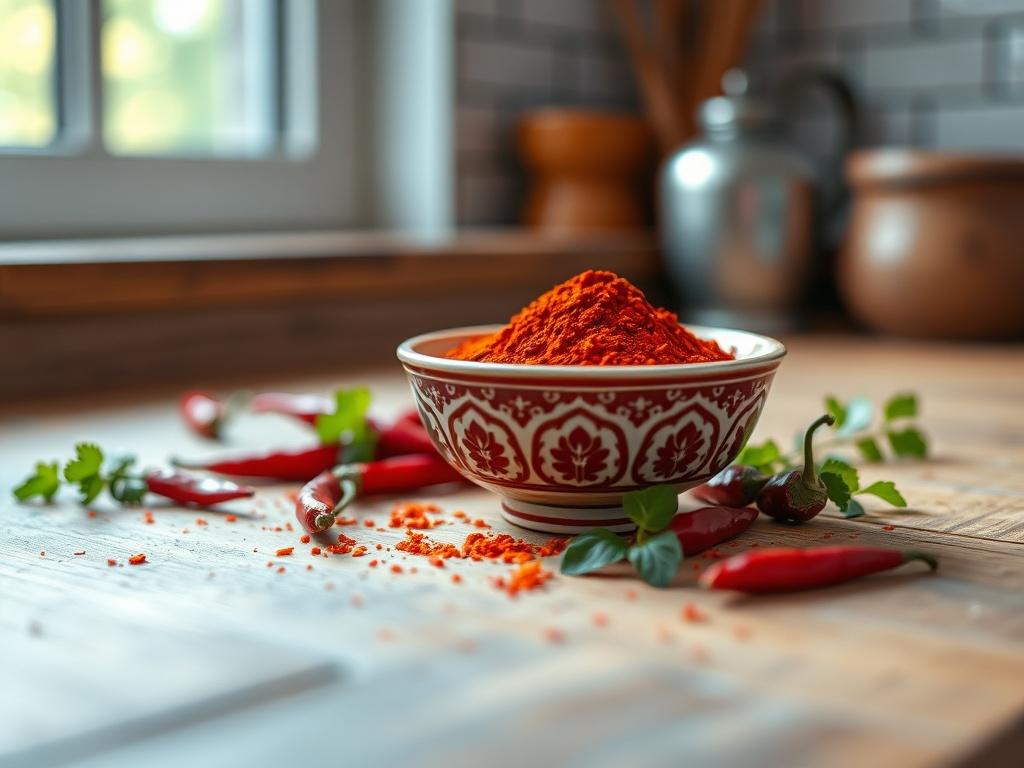
In other scenario, we can forget to add enough red chili powder. In such situation, first you should focus
on how much more red chili powder is required to add.
Do not add raw red chili powder in end of the cooking, it may cause coughing and choking.
So best way is if the recipe contains fat/ghee/cooking oil, on medium flame add red chili powder in fate
and let it
cook for a while. It should not be more than 30-40 seconds
If your recipe do not contain any fat, even then cook red chili powder in some moisture for few seconds
Red chili powder is a vibrant addition to different recipes from various continents, bringing a unique combination of heat and flavor to countless dishes. This fiery spice not only enhances the taste of food but also elevates the overall culinary experience, making it a favorite among chefs and home cooks alike. While its usage spans across global cuisines, red chili powder finds particular prominence in South Asian and Latin American cooking. This blog post aims to share authentic tips and insights into how to properly incorporate this versatile spice into your meals.
From the spicy curries of India to the flavorful salsas of Mexico, red chili powder plays a pivotal role in creating mouthwatering dishes that tantalize the taste buds. As we delve into the vibrant role of red chili powder in global cuisine, we will embrace its authenticity in South Asian dishes and celebrate its zest in Latin American recipes. Join us as we explore the art of using red chili powder to transform your cooking and discover how this simple ingredient can add depth and character to your favorite meals.
Exploring the vibrant role of red chili powder in global cuisine
Red chili powder is a vibrant addition to recipes across different continents, enhancing the flavor profiles of countless dishes. Its fiery yet nuanced heat captures the imagination of home cooks and professional chefs alike, making it a staple in various culinary traditions. From the tantalizing curries of South Asia to the spicy salsas of Latin America, red chili powder brings depth and character to meals, transforming ordinary ingredients into extraordinary creations. As you explore the diverse cuisines around the world, you'll quickly discover that this humble spice is not only a seasoning but a vital component that elevates entire dishes.
In many cultures, the vibrant color of red chili powder signifies more than just heat; it embodies warmth and passion. When used judiciously, it can awaken the senses and create a delightful balance between flavors. Whether you sprinkle it in soups, stews, or marinades, red chili powder provides a splash of color and a punch of flavor that tantalizes the palate. Mastering the use of this spice allows cooks to fully embrace its versatility, adapting it to suit various regional dishes while still capturing its essence. The journey of incorporating red chili powder into your recipes will undoubtedly unlock new culinary adventures that celebrate the spirit of global cuisine.
Embracing red chili powder's authenticity in South Asian dishes
Red chili powder plays a pivotal role in South Asian cuisine, serving as a cornerstone spice that adds depth and complexity to a variety of dishes. Whether it’s the fiery curries of India or the vibrant stews of Pakistan, this bold ingredient enhances flavor profiles while providing a stunning pop of color. The rich history of red chili powder in the region dates back to its introduction from the Americas, where it quickly became a staple in diverse cooking styles. From traditional recipes passed down through generations to modern culinary experimentation, red chili powder continues to be celebrated for its ability to awaken the senses and elevate everyday meals.
When using red chili powder in South Asian recipes, balance is key. It’s important to note that the heat level can vary significantly depending on the type of chili used, so adjusting the quantity according to personal preference and the specific dish is essential. Authentic recipes often blend red chili powder with other spices, such as turmeric, cumin, and coriander, creating a harmonious flavor experience. To achieve the best results, consider incorporating red chili powder early in the cooking process, allowing it to infuse its vibrant flavor throughout the dish. Whether you’re preparing a classic biryani or a spicy tikka masala, red chili powder brings an unmistakable warmth and character that is truly irreplaceable in South Asian cooking.
Celebrating the zest of red chili powder in Latin American recipes
Red chili powder is more than just a spice; it is a vital ingredient that brings warmth and depth to Latin American dishes. From the fiery salsas of Mexico to the hearty stews of Argentina, this vibrant powder enhances flavors, providing both heat and complexity. Chefs and home cooks alike appreciate its versatility, incorporating it into everything from taco seasonings to adobos, creating an irresistible balance of flavor that makes every dish unforgettable. By adding just the right amount of red chili powder, you can elevate your culinary creations, transforming simple ingredients into mouthwatering meals that captivate the senses.
In Latin American cuisine, the proper use of red chili powder goes beyond merely adding heat; it also introduces a rich, smoky quality that can define a dish. For instance, in a classic mole sauce, the combination of various chilies—including red chili powder—creates a harmonious blend that underscores the complexity of the sauce. Similarly, in traditional ceviche, a sprinkle of red chili powder offers not only spice but also beautiful color, enhancing the visual appeal of the dish. By understanding how to harness the unique properties of red chili powder, you can celebrate its role in Latin American cooking and create authentic dishes that highlight its irresistible zest.