
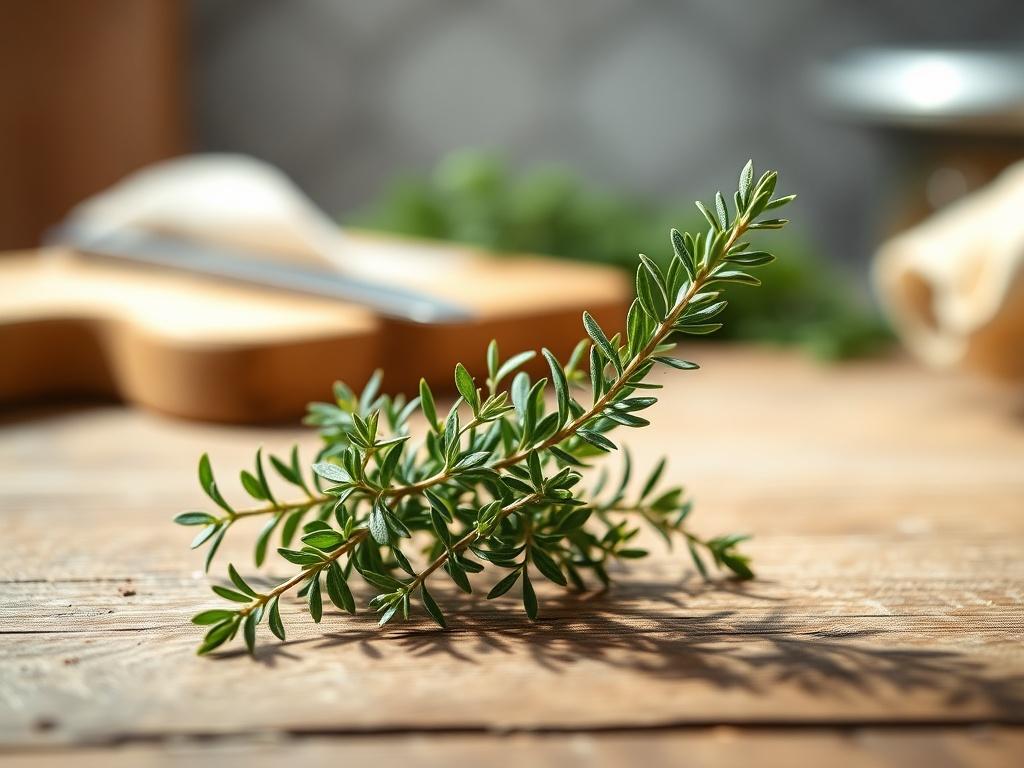
Thyme is the delicate yet resilient herb whose tiny, aromatic leaves carry a warm, earthy, and subtly minty flavor with notes of lemon and wood. Revered in Mediterranean cooking, thyme elevates dishes with its gentle yet persistent fragrance, making it a cornerstone of French, Italian, and Mediterranean cuisines. From slow-simmered stews and roasted meats to savory sauces, soups, and freshly baked herbed breads, this versatile herb seamlessly enhances a wide array of culinary creations. Its enchanting aroma transforms the mundane into the extraordinary, inviting home cooks and professional chefs alike to explore the profound impact of thyme in their kitchens.
Beyond its culinary prowess, thyme holds a rich historical significance as a symbol of courage and grace, deeply rooted in ancient lore. Thriving in sun-soaked, rocky soils, this humble herb embodies the quiet strength of the Mediterranean landscape, connecting us to the traditions and cultures that have celebrated its use for centuries. Whether sprinkled over a roast, infused into oils or teas, or tied to age-old customs, thyme offers more than just flavor; it serves as a reminder of our timeless connection to the earth and the traditions that shape our culinary heritage. Join us as we delve into the enchanting world of thyme, exploring its aromatic charm, culinary versatility, and the profound stories that intertwine with its presence in our kitchens.
The enchanting aroma of thyme: A cornerstone of Mediterranean cuisine
The captivating scent of thyme instantly transports cooks and food lovers alike to sun-drenched Mediterranean landscapes. This delicate yet resilient herb enchants kitchens with its tiny, aromatic leaves that release a warm and earthy fragrance upon the slightest touch. Whether freshly clipped or dried, thyme invites a subtle mintiness and hints of lemon and wood that elevate a wide variety of dishes. From the savory depths of stews to the rich complexity of roasted meats, thyme stands as an essential ingredient that defines the essence of Mediterranean cooking.
Incorporating thyme into your culinary repertoire not only enhances the flavor of your dishes but also infuses them with a sense of tradition and authenticity. With roots in ancient cuisine, this herb's gentle yet persistent aroma can be felt in classic French sauces, Italian pasta dishes, and hearty Mediterranean soups. As you explore the enchanting world of thyme, you’ll discover that just a sprinkle can transform ordinary ingredients into extraordinary culinary experiences, making thyme an indelible cornerstone of the vibrant and diverse Mediterranean diet.
Culinary delights: Exploring the versatility of thyme in your dishes
Thyme brings a unique flavor that can elevate a wide range of dishes. Its delicate yet resilient leaves lend a warm, earthy taste with subtle hints of mint, lemon, and wood. When added to slow-simmered stews, thyme creates a rich background that enhances the overall depth of flavors. In roasts, whether of chicken, beef, or vegetables, thyme acts as a delightful complement, creating an aromatic experience that tantalizes the senses. Its ability to harmonize with other ingredients, from garlic to tomatoes, makes it an indispensable herb in Mediterranean cooking.
Beyond traditional uses, thyme offers versatility that extends to sauces, soups, and even herbed breads. Infusing it in oils and teas releases its gentle, persistent fragrance, allowing you to enjoy its flavor in various forms. Incorporate thyme into marinades to impart a fresh, zesty quality to grilled dishes, or sprinkle it over baked goods for an unexpected twist. The herb’s adaptability encourages creativity in the kitchen—experimenting with thyme can lead to delightful discoveries that transform everyday meals into comforting experiences.
Thyme through the ages: A symbol of courage and connection to tradition
Thyme has a rich history that weaves through ancient cultures, serving as both a culinary herb and a symbol of bravery. In ancient Greece, warriors adorned their helmets with thyme, believing it bestowed courage and strength. The Romans took this reverence for thyme a step further, using it to flavor their food and even as a preservative. The herb’s hardy nature, thriving in rocky, sun-kissed soils, parallels the resilience admired in those who celebrated it. As culinary practices evolved, so did the symbolic significance of thyme, finding its place not only in dishes but also in the hearts of those who honor their heritage.
Today, thyme continues to bridge generations, connecting us with centuries of tradition. Its fragrant leaves whisper stories of family kitchens, where it enhances the flavor of beloved recipes passed down through time. As we sprinkle fresh or dried thyme over our meals, we pay homage to the cooks before us who understood the herb's unique qualities. More than just a flavor enhancer, thyme embodies a sense of community, reminding us that each dish is a celebration of shared experiences and cultural history. In every sprig of thyme, there lies a connection to the earth and the timeless traditions that shape our culinary landscape.