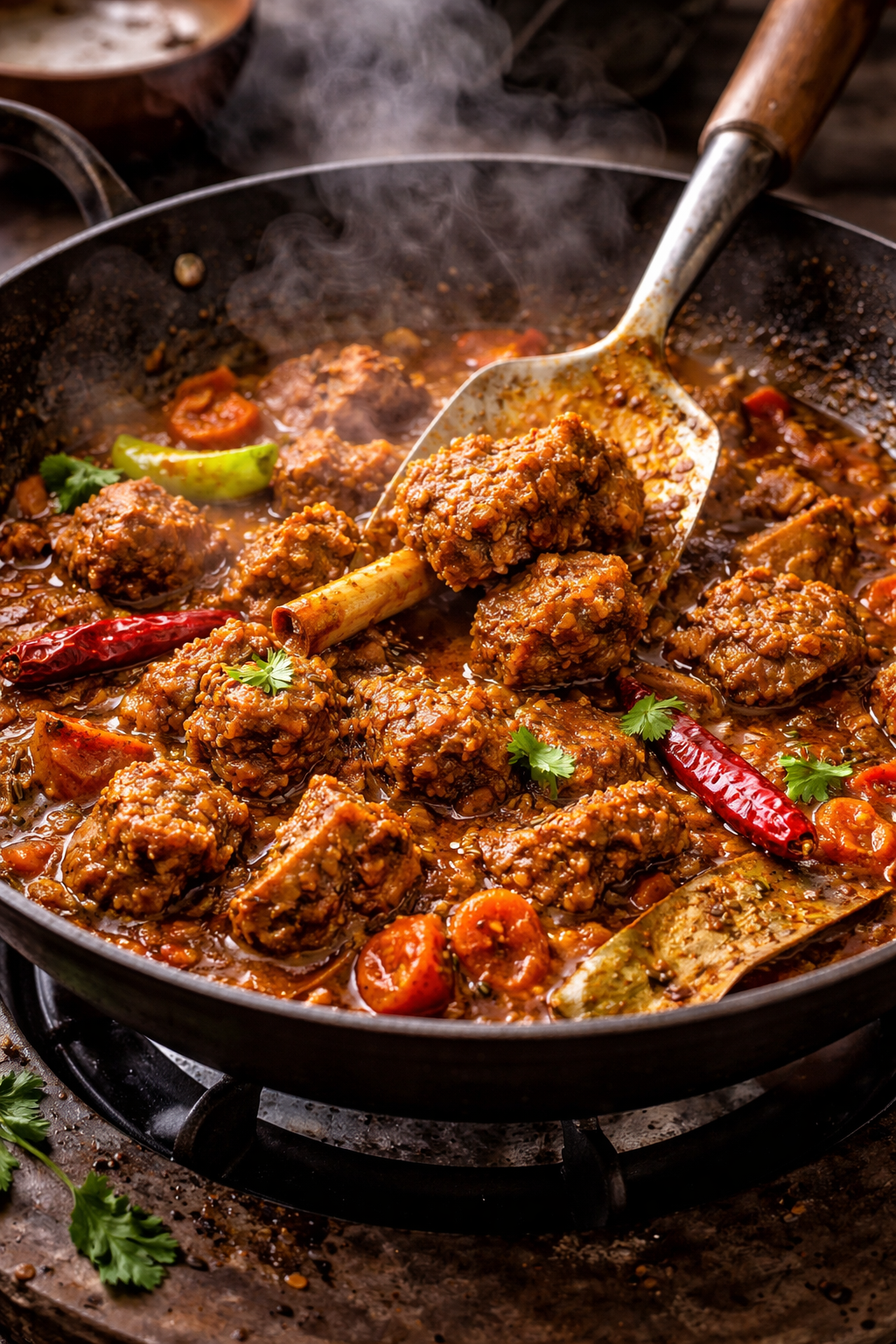
Sautéing, or bhunai or frying Masala, serves as the cornerstone for creating rich and flavorful gravies in South Asian cuisine. Though Sautéing is not the proper term for Bhunai but still in covers the overall process. This essential cooking technique not only brings out the best in your ingredients but also sets the stage for a symphony of flavors that dance on your palate. However, mastering bhunai requires more than just a flick of the wrist; understanding its intricacies can profoundly affect the outcome of your dishes. In this blog post, we will explore the art of sautéing and share valuable tips and tricks passed down through generations, ensuring that your culinary creations reach their fullest potential.
- The Art of Sautéing in South Asian Cooking
Bhunai plays a crucial role in South Asian cuisine, especially in non-vegetarian dishes, where it helps eliminate the raw aroma of meat while infusing it with the rich flavors of spices. - Traditionally, dishes were fried two to three times, before finalization with 2–3 tbsp hot water during bhunai (called chhonk dena) which improves texture, added depth and richness to the final dish. To sauté, start by adding spices, water, and ghee to the meat, then cover it or cook it in a pressure cooker until the meat becomes tender.
- Once about half the water has evaporated, continue cooking on medium heat until the water almost dries up.
- When only a quarter of the water remains, increase the heat and stir continuously until the ghee starts to separate and become visible—this stage is called bhunai (sautéing). At this stage
- Oil separates clearly
- Masala becomes glossy, darker
- Aroma turns nutty (not raw)
- At this point, when the moisture is very low, add a small amount of water (about one fourth a cup) and stir until it evaporates again.
- Care should be taken not to let it burn by stirring it continously.
- This process can be repeated twice or even thrice if desired, adding more water and sautéing again.
- While it may seem like an extra effort, this repeated sautéing dramatically enhances the flavor and aroma of many dishes, making them truly irresistible.
Why it matters:
This removes raw spice bitterness, smoothen onion, garlic & tomato texture and builds depth.
Oil or ghee starts to separate at this stage that can be took away/seperated easily, if you are diet concsious.
Half-fried masala = flat curry.