
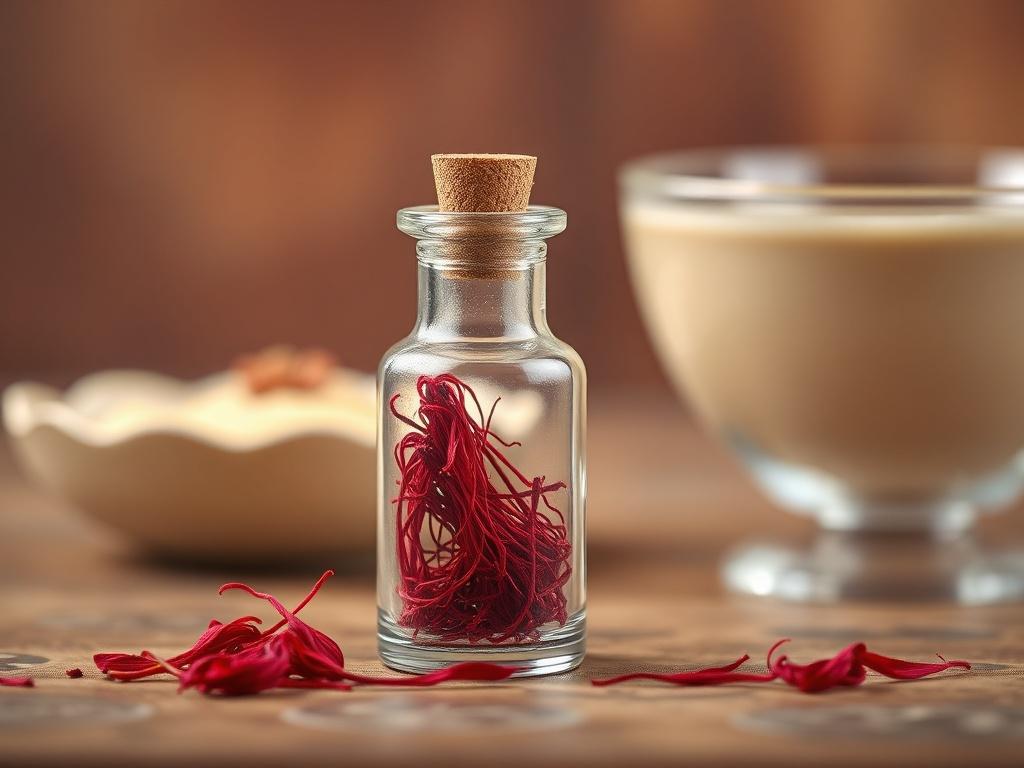
Saffron, known as Kesar in South Asia, captivates the senses with its vibrant color and unique flavor, earning its status as the world's most precious spice. Each delicate crimson thread is painstakingly hand-picked from the stigma of the Crocus sativus flower, with thousands of blossoms needed to produce just a single gram. This labor-intensive process has rightfully earned saffron the moniker red gold, symbolizing luxury and opulence. Beyond its allure, saffron whispers stories of tradition and culture, making it much more than just an ingredient; it's a journey into history and heritage.
In the culinary world, saffron transforms ordinary dishes into extraordinary experiences. A few threads, soaked in warm milk or water, release their earthy, honey-like flavor and render stunning golden-yellow hues. From fragrant biryanis to indulgent desserts like kheer and phirni, saffron elevates every recipe it touches, turning meals into memorable feasts. However, saffron's significance extends far beyond the kitchen. Its deep-rooted symbolism in royalty, wellness, and celebration has woven it into the very fabric of various cultures, leaving a legacy that continues to enchant. Join us as we delve into the enchanting allure of saffron, explore its culinary delights, and celebrate its rich heritage.
The enchanting allure of saffron: A glimpse into its journey as Kesar
Saffron, known as Kesar in South Asia, mesmerizes with its vibrant crimson threads, an emblem of luxury and refinement. The journey of saffron begins in the fields where cultivators carefully nurture the Crocus sativus flowers. Each blossom produces only three delicate threads, making the harvesting process not only labor-intensive but also profoundly rewarding. Hand-picking these threads during the brief flowering season requires patience and precision, as farmers must gather thousands of blossoms to yield just a single gram of this precious spice. The arduous process of cultivation and collection earns saffron the revered title of “red gold,” a testament to its rarity and value.
As saffron weaves its way through cultures and cuisines, it becomes a symbol of celebration, used in weddings, festivals, and special occasions. Its rich history dates back thousands of years, with ancient civilizations regarding saffron as an aphrodisiac and a remedy for various ailments. The association of saffron with royalty resonates through time, as kings and queens adorned their feasts with this opulent spice, elevating their dishes to extraordinary heights. Today, saffron continues to capture hearts and palates alike, serving not just as an ingredient but as a representation of passion, culture, and the art of fine living.
Culinary delights: Transforming dishes with the magic of saffron
Saffron, known as Kesar in South Asia, elevates culinary creations to extraordinary heights with its unique flavor profile and vibrant hue. When you sprinkle a few delicate crimson threads into your favorite dishes, you infuse them with an earthy, honey-like essence that tantalizes the palate. For instance, in traditional biryanis, saffron adds a layer of depth and complexity, transforming a classic dish into a luxurious feast. Similarly, the addition of Kesar to desserts like kheer and phirni not only enriches their flavors but also imbues them with a radiant golden-yellow color that captivates the eyes.
The versatility of saffron extends beyond main courses and sweets; it also plays a vital role in beverages. A gentle infusion of its threads in warm milk or water creates a fragrant elixir that enhances teas and ceremonial drinks, making them unforgettable. This simple yet profound use of saffron showcases how just a few threads can turn ordinary moments into extraordinary experiences. By embracing the magic of Kesar, home cooks and chefs alike can unlock a world of culinary possibilities that celebrate the elegance and richness of this treasured spice.
The rich symbolism of saffron: Celebrating its legacy of royalty and wellness
Saffron, known as Kesar in South Asia, transcends its role as a mere spice, embedding itself deeply in the cultural and historical tapestry of numerous civilizations. Throughout history, it has been synonymous with luxury and nobility. Kings and queens cherished saffron for its vibrant hue and exquisite flavor, using it to enhance not only their meals but also their rituals and celebrations. For example, saffron often graces royal banquets and festive occasions, symbolizing prosperity and abundance. This association with royalty persists today, where saffron continues to bring an element of grandeur to special moments, reminding us of its majestic past.
Beyond its regal associations, saffron also embodies the ideals of wellness and healing. Cultures across the globe have revered saffron for its medicinal properties, harnessing its potential to promote emotional balance, enhance mood, and even serve as a natural remedy for various ailments. This deep-rooted belief in saffron's healing abilities connects it to centuries of traditional practices and holistic approaches to health. By incorporating saffron into culinary creations or wellness rituals, individuals partake in a legacy that celebrates not only the spice's sophisticated profile but also its profound capacity to nurture and uplift the spirit. In this way, saffron serves as a bridge between the past and the present, illuminating the path of well-being and reverence that has persisted through generations.