
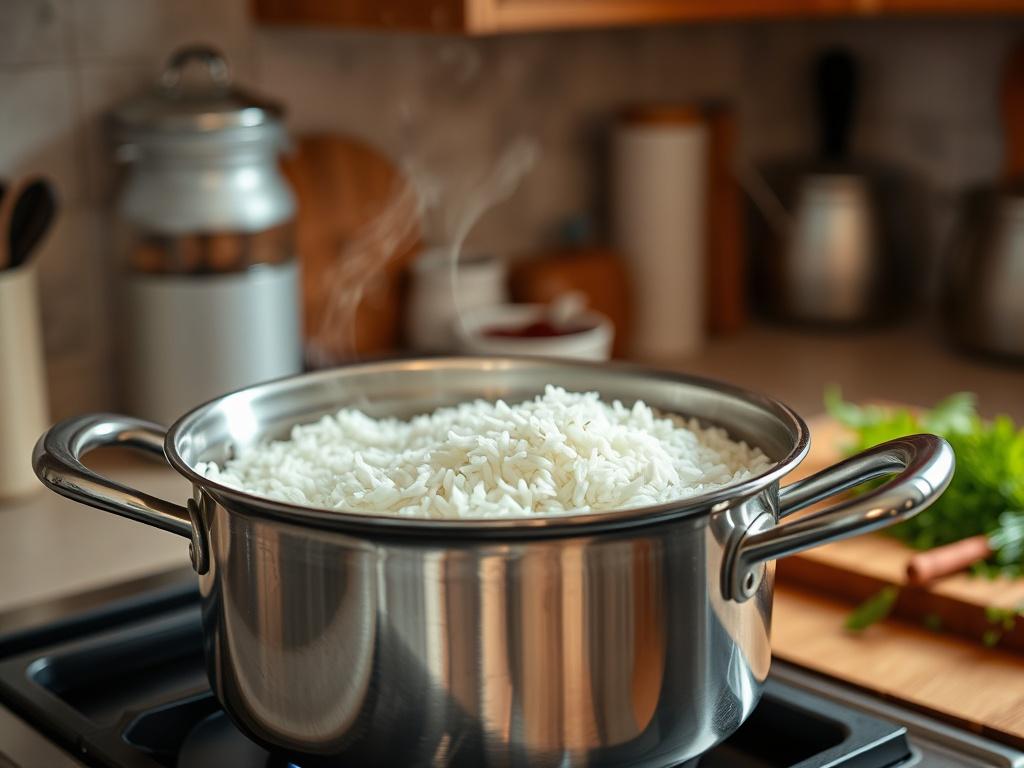
Rice cooking is a fundamental skill in many cuisines, particularly in South Asian cooking, where it holds a place of honor on every table. The ability to prepare rice perfectly can elevate a meal from ordinary to extraordinary, creating a delightful experience for family and friends. With its emphasis on texture, grain length, and aroma, mastering this essential technique enables cooks to unlock the full potential of various rice-based dishes. Whether you're a seasoned chef or a novice in the kitchen, understanding the nuances of rice preparation is critical for achieving culinary excellence.
In this blog post, we will explore the essential techniques for perfect boiling and steaming of rice, ensuring evenly cooked grains that are neither sticky nor mushy. From understanding the correct water ratio to controlling heat and timing, we’ll break down the steps to help you master this skill. Furthermore, we’ll guide you on how to elevate your dishes, from simple plain rice to the rich and flavorful varieties like biryani and pulao. Join us as we delve into the art of rice cooking, a cornerstone of South Asian culinary heritage.
Before going further, lets have a small and precise tour of rice cooking
Hack: Rice must be almost cooked before dum.
Ideal boil stage:
Water trick:
Add 1 tbsp oil or ghee + 1 tsp salt to boiling rice water → longer, separate grains.
Drain immediately—don’t let rice sit in hot water.
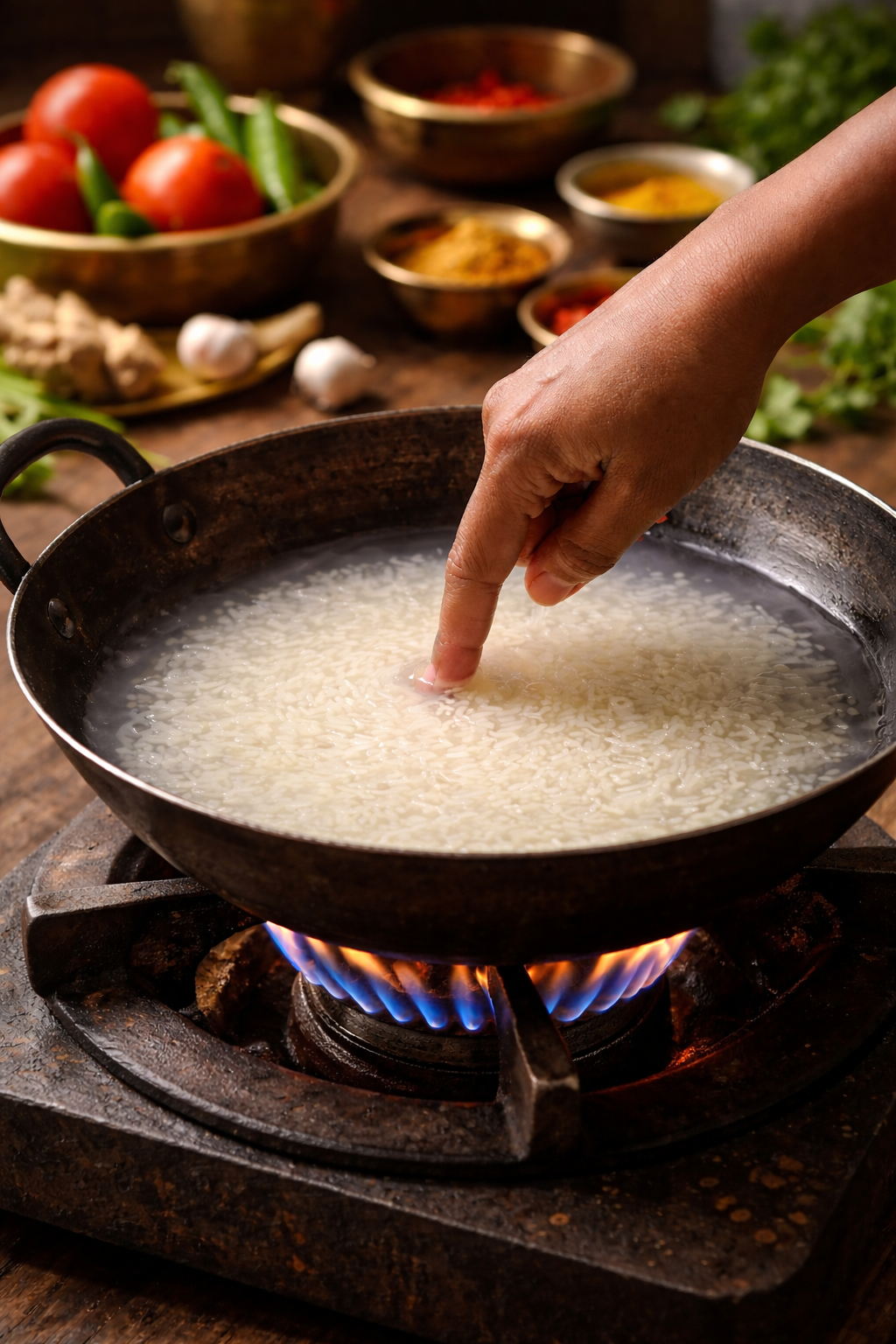
If the water reaches the first joint of your finger, the quantity is correct.
The importance of mastering rice cooking in South Asian cuisines
Rice cooking is a fundamental skill in South Asian cuisines, revered for its ability to transform simple grains into a culinary masterpiece. Every South Asian meal often revolves around rice, whether it’s the comforting plain rice accompanying a hearty curry or the aromatic biryani served on special occasions. The ability to cook rice perfectly not only enhances the overall dining experience but also reflects the cook's understanding of texture, grain length, and aroma. In a culture where food holds significant importance, mastering rice cooking becomes essential for anyone looking to delve into the rich tapestry of South Asian flavors.
In South Asian households, rice is more than just a staple; it's a symbol of hospitality and tradition. Understanding the nuances of rice cooking allows home cooks to appreciate the varying qualities of different rice types, such as basmati and jasmine, which can elevate even the simplest of dishes. Proper techniques, including washing and soaking, are key to achieving the desired results. By mastering these skills, cooks can ensure their rice dishes not only look beautiful but also deliver the perfect bite—a harmonious blend of flavors and textures that celebrates the heart of South Asian cuisine.
Essential techniques for perfect boiling and steaming of rice
Boiling rice properly begins with selecting the right water-to-rice ratio, which is crucial for achieving the ideal texture. Generally, a ratio of 2:1 (water to rice) works well for most varieties, but adjusting it based on the specific type of rice, such as basmati or jasmine, can yield better results. Start by thoroughly washing the rice to remove excess starch, which can lead to clumping and stickiness. Soaking the rice for 30 minutes not only helps in removing unwanted starch but also promotes even cooking, allowing the grains to absorb water before boiling begins.
Once your rice is prepped, bring the water to a rolling boil before adding the rice. Maintain a high heat initially to ensure the grains expand fully. After adding rice, stir briefly to prevent sticking, then cover the pot and reduce the heat to low to simmer. Timing is critical—once the water is absorbed, keep the rice on low heat for an additional 5-10 minutes to allow for steaming (dum) without lifting the lid. This final steaming phase guarantees fluffy, separate grains, elevating any dish you prepare, from plain rice to flavorful pulao and ornate biryani.
Elevating your dishes: from plain rice to delectable biryani and pulao
Transforming simple rice into an exquisite dish can elevate your culinary skills and impress your guests. Plain rice, when cooked to perfection, serves as the ideal base for many South Asian meals, complementing curries and grilled meats. The key lies in understanding the balance of water and rice, ensuring each grain absorbs the right amount to achieve that perfect fluffy texture. A sprinkle of salt and a touch of ghee can enhance the flavor of plain rice, turning it into a comforting and satisfying staple that supports a variety of dishes.
Moving from plain rice to flavorful pulao or biryani involves mastering aromatic spices and layering techniques. In preparing pulao, sautéing onions, garlic, and spices before adding rice allows the grains to absorb the rich flavors. Biryani, on the other hand, requires a careful melding of marinated meats and fragrant basmati rice, cooked together through a method known as dum. This patience and precision in layering results in a dish that bursts with flavor and texture. By honing your rice cooking skills, you pave the way for creating these iconic dishes that are not only delicious but also a true representation of South Asian culinary heritage.