
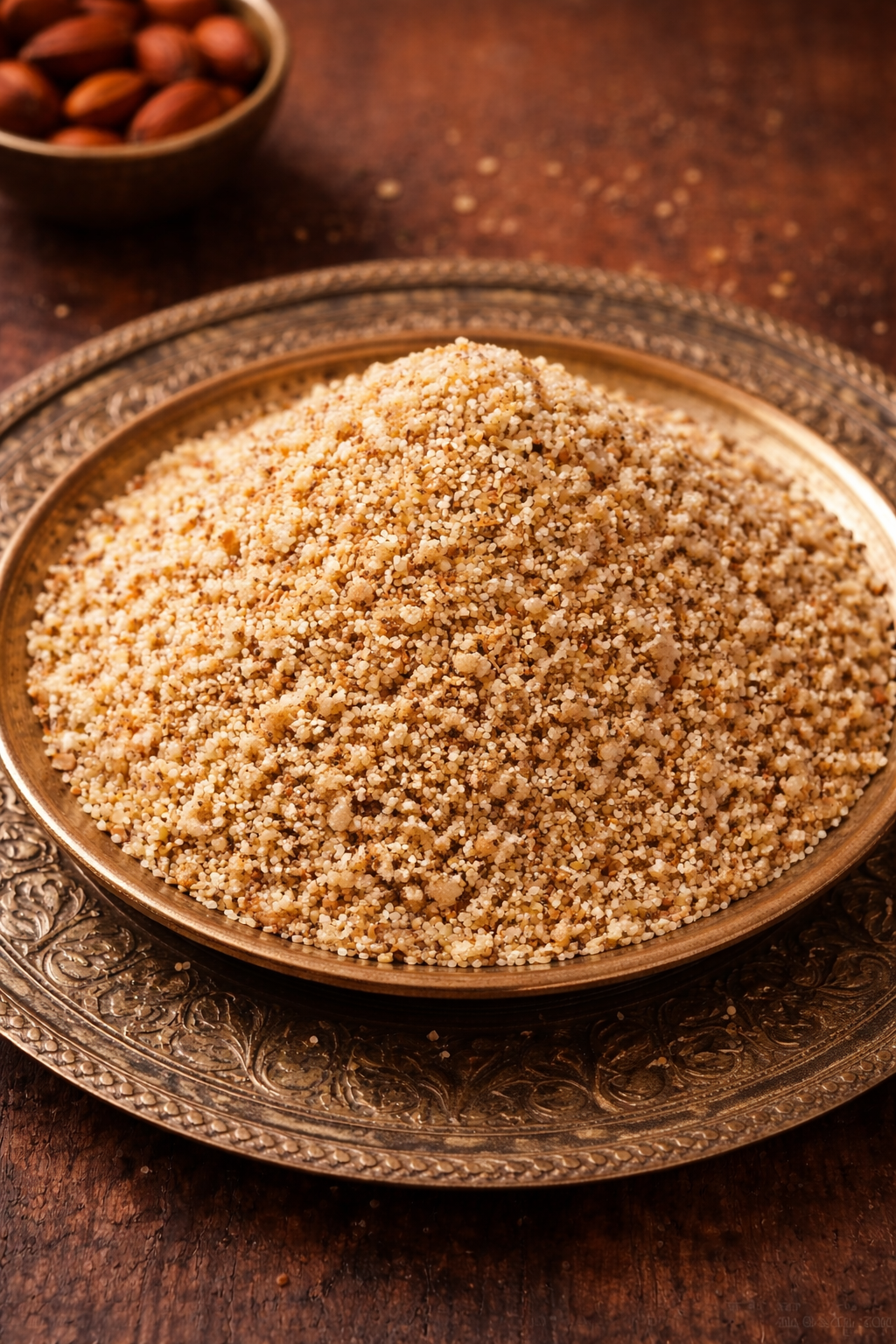
Poppy seeds are the tiny, kidney-shaped gems harvested from the opium poppy plant, known scientifically as Papaver somniferum. These unassuming seeds pack a punch with their nutty, slightly sweet flavor and delicate crunch, making them a beloved ingredient in various culinary traditions. Their versatility allows them to shine in dishes from creamy Indian kormas to rich Bengali posto curries, Central European pastries, and traditional Turkish breads. Whether toasted or ground into fine pastes, poppy seeds have a unique ability to enhance the flavor and texture of countless recipes, captivating taste buds across the globe.
But the allure of poppy seeds extends far beyond their role in the kitchen. For centuries, these minuscule seeds have also found a place in traditional remedies, valued for their soothing properties. In this blog post, we invite you to dive into the delightful world of poppy seeds, exploring their rich culinary uses across South Asian, European, and Middle Eastern cuisines. Additionally, we'll uncover the fascinating stories and historical significance behind this small but mighty ingredient, reminding us that sometimes the smallest elements in our dishes carry the deepest flavors and histories.
The delightful world of poppy seeds: Flavor, texture, and culinary uses
Poppy seeds are the tiny, kidney-shaped treasures harvested from the opium poppy plant (Papaver somniferum). Renowned for their nutty, slightly sweet flavor and delicate crunch, these seeds add a distinctive touch to numerous dishes. Their versatility allows them to shine in both sweet and savory applications. Just a sprinkle of poppy seeds can transform a simple bread or pastry into a delightful creation, thanks to their ability to bring texture and an enjoyable flavor profile. Toasting enhances their nutty aroma, making them even more irresistible.
These tiny seeds are not just flavorful; they also serve as a remarkable thickening agent. In creamy Indian kormas or Bengali posto (poppy seed paste) curries, poppy seeds create a luxurious richness that elevates the overall dish. Central European pastries and Turkish breads often showcase poppy seeds as a beloved topping, celebrating their culinary heritage. The blue-grey varieties dominate in baking, while white seeds are favored in South Asian cuisine for their more subtle taste. Ultimately, poppy seeds prove that even the smallest ingredients can deliver extraordinary flavor and texture, making them an essential component in various culinary traditions.
Exploring global cuisines: Poppy seeds in South Asian, European, and Middle Eastern dishes
Poppy seeds play a vital role in various global cuisines, each showcasing their unique flavors and textures. In South Asian cooking, these tiny seeds take center stage, particularly in Bengali dishes where they are ground into a smooth paste known as posto. This rich and creamy paste serves as the base for a range of curries, elevating simple vegetable preparations with its distinctive nutty essence. Chefs enthusiastically toast poppy seeds before incorporating them into dishes, enhancing their flavor and adding a delightful crunch that contrasts beautifully with soft and succulent ingredients.
In Europe and the Middle East, poppy seeds find their way into an array of baked goods that celebrate their deliciousness. Central European pastries, such as strudel and baklava, often feature poppy seeds in their fillings, crafted to provide a lovely textural contrast and a hint of sweetness. In Turkish cuisine, bread sprinkled with poppy seeds adds a touch of elegance and crunch, making every bite a sensory delight. Whether used as a filling, topping, or ground into a paste, poppy seeds unite cultures and cuisines through their versatile nature, reminding us that culinary exploration knows no boundaries.
Beyond the kitchen: The traditional remedies and soothing properties of poppy seeds
Poppy seeds have long transcended their culinary uses, finding a place in traditional medicine across various cultures. Ancient texts from different regions highlight the soothing qualities of these tiny seeds, often recommending them for ailments such as anxiety, insomnia, and digestive issues. The soothing properties of poppy seeds are attributed to their rich content of essential fatty acids and calming compounds. People have used poppy seed oil as a gentle treatment for skin irritations and to promote relaxation, demonstrating the timeless connection between nutrition and healing.
In addition to their medicinal value, poppy seeds carry cultural significance in various rituals and practices. In some communities, they symbolize fertility and prosperity, playing a role in traditional celebrations. Beyond their nourishment, these seeds remind us of the deep-rooted traditions that intertwine food with well-being. Incorporating poppy seeds into one’s diet not only enhances the flavor of countless dishes but also connects individuals to a history of healing and wellness. As we embrace the culinary versatility of poppy seeds, we also savor their legacy as natural remedies cherished through generations.