
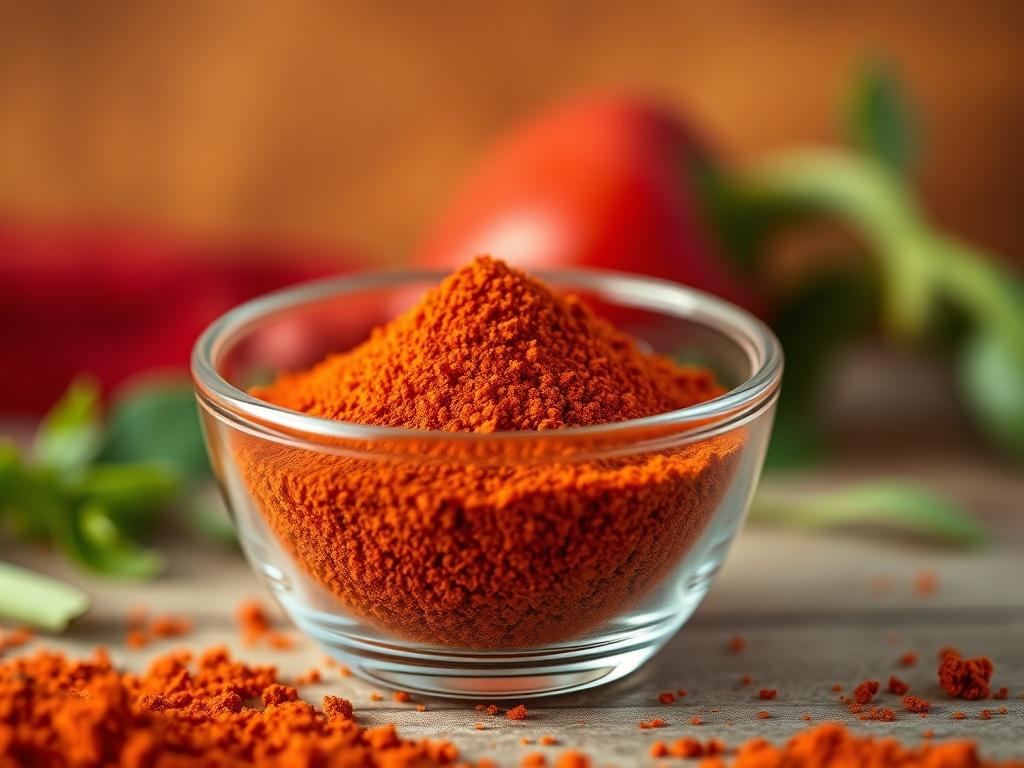
Paprika is a vibrant red spice made from dried, ground sweet or chili peppers, celebrated for its rich color and versatile flavor profile. With a range that spans from mild and sweet to smoky and pungent, this beloved seasoning is a staple in kitchens around the world. Whether you're adding a sprinkle to your goulash, paella, or roasted meats, paprika imparts a warm, earthy depth without overwhelming heat. Its unmistakable hue not only enhances the visual appeal of dishes but also infuses them with a gentle yet expressive flavor that invites curiosity and delight.
The culinary journey of paprika weaves through the rich landscapes of Central America, where it first originated, to the well-practiced hands of Hungarian and Spanish chefs who perfected its use. This spice offers a spectrum of taste, from subtle sweetness to deep, campfire-like smokiness, depending on the variety chosen. As we explore paprika's multifaceted nature, discover how sweet, smoked, and hot versions can elevate your cooking and bring a touch of sunshine to your meals. Join us in celebrating this remarkable spice that transforms dishes into masterpieces, enticing both the palate and the eye.
Discovering paprika: The vibrant spice that transforms your dishes
Paprika is a vibrant red spice made from dried, ground sweet or chili peppers, and it captivates both home cooks and professional chefs with its rich color and versatile flavor profile. This beloved seasoning adds warmth and depth to countless dishes without overwhelming them with heat. By incorporating paprika, you can effortlessly elevate the taste and presentation of your culinary creations. Whether you’re adding a sprinkle to roasted vegetables, mixing it into hearty stews, or using it as a garnish on deviled eggs, paprika transforms ordinary meals into extraordinary ones.
With its striking hue and gentle essence, paprika serves as a universal favorite in kitchens around the globe. Its ability to enhance a dish’s visual appeal makes it not just a spice, but a culinary decoration that instantly brightens up your plates. The flavor ranges from mild and sweet to smoky and pungent, allowing cooks of all levels to experiment with different profiles to suit their palate. By discovering the magic of paprika, you open up new possibilities for flavor and creativity in your cooking, making each meal more exciting and inviting.
The culinary journey of paprika: From Central America to Hungarian and Spanish kitchens
Paprika's roots trace back to Central America, where indigenous peoples first cultivated the small, vibrant peppers that would later inspire this beloved spice. Spanish explorers, captivated by the flavor and color of these peppers, introduced them to Europe in the 16th century. The spice quickly made its way into the culinary traditions of many nations, but it found a particularly warm reception in Hungary and Spain, where it evolved into a staple ingredient that shaped regional cuisines. Hungarian cooks delighted in the sweet, velvety varieties of paprika, using them to create signature dishes like goulash, while Spanish chefs embraced the complex, smoky tones of pimentón to enhance the rich flavors of paella and tapas.
As paprika traveled across continents, it not only retained its vibrant color but also adapted and transformed, becoming synonymous with the culinary identity of these cultures. In Hungary, paprika signifies not just a spice but an essential component of national gastronomy, celebrating both the land's agricultural bounty and its culinary artistry. In Spain, the variety known as pimentón showcases the country's love for robust flavors, often in dishes cooked over open flames. Today, paprika continues to bridge cultures, inspiring chefs and home cooks alike to explore its diverse profiles and elevate their dishes with this enchanting red spice.
Exploring the varieties of paprika: Elevate your cooking with sweet, smoked, and hot flavors
Paprika’s versatility shines through its various types, each offering a unique flavor that can elevate your culinary creations. Sweet paprika is a staple in many kitchens, prized for its mild taste and vibrant red hue. It adds a pleasant sweetness without any heat, making it an ideal choice for dishes like goulash or deviled eggs, where you want to enhance flavor without overwhelming the palate. This variety is often used for seasoning and as a garnish, bringing both color and a subtle warmth to everything it touches.
In contrast, smoked paprika, known as pimentón, brings a depth of flavor that transforms everyday dishes into gourmet experiences. This variety undergoes the process of drying over an oak wood fire, imparting a distinctive, smoky aroma and taste reminiscent of a campfire. Cooks often use smoked paprika to enrich paella or roasted meats, offering a complex flavor profile that tantalizes the taste buds. For those seeking a bit more heat, hot paprika delivers a fiery kick, pushing the boundaries of flavor while maintaining the spice's signature vibrant color. By experimenting with these varieties, you can infuse your cooking with a spectrum of tastes, ensuring every dish you create is a delightful adventure.