
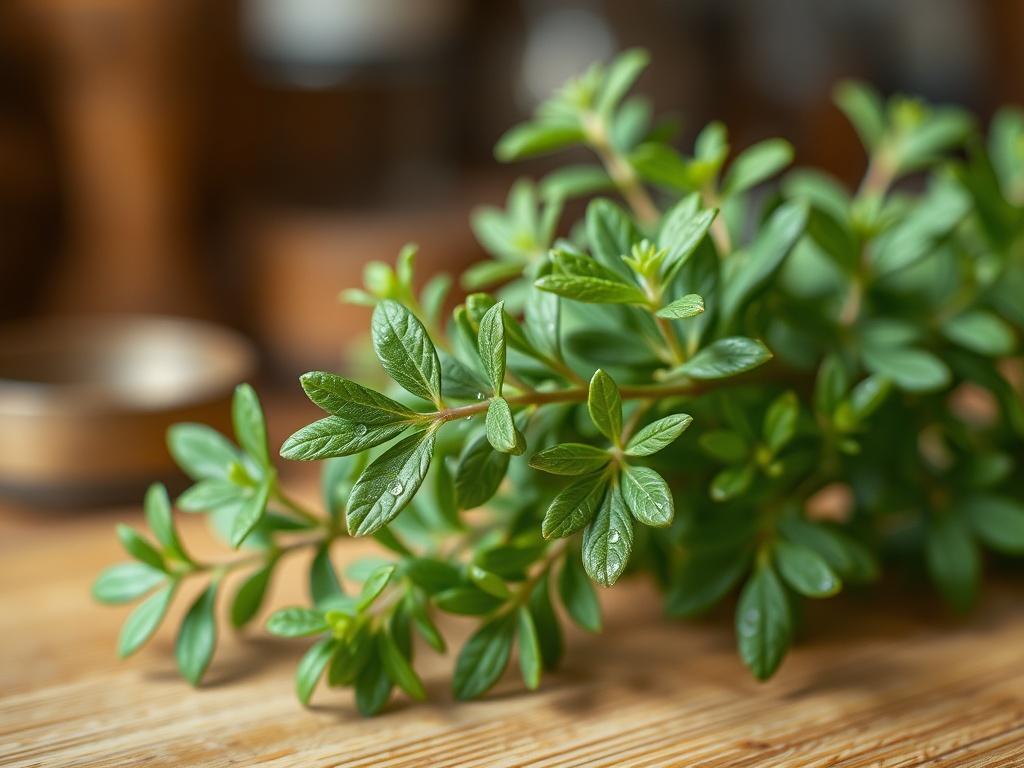
Oregano is the fragrant, earthy herb whose name translates to joy of the mountain in Greek—a fitting tribute to its warm, peppery, and slightly bitter flavor that defines Mediterranean cuisine. This robust herb, often found in both fresh and dried forms, adds depth and complexity to dishes ranging from Italian tomato sauces to Greek salads and pizzas. With its piney, mint-like zest and hints of lemon, oregano elevates meals into delightful culinary experiences, inviting diners to savor the simple, vibrant flavors of sun-soaked hillsides.
In this blog post, we delve into the rich history and significance of oregano, exploring how this beloved herb has made its mark on Mediterranean cooking. We will highlight its versatility in both fresh and dried forms, illustrating how oregano enhances beloved dishes and transforms everyday meals into something special. Join us on this fragrant journey as we uncover the aromatic charm of oregano and its essential role in bringing the heart of the Mediterranean to your kitchen.
Embracing the joy of the mountain: The history and significance of oregano
Oregano, known for its fragrant and earthy profile, has a rich historical tapestry that stretches back to ancient Greece. The name oregano indeed translates to joy of the mountain, symbolizing its natural habitat and its integral role in Greek culture. Early civilizations revered this herb not only for its culinary applications but also for its medicinal properties. Ancient Greeks used oregano in various rituals and believed it was a symbol of happiness and peace. The herb found its way into their diets, celebrated for its ability to elevate flavor profiles and enhance the health benefits of meals. The tradition of using oregano spread throughout the Mediterranean, influencing countless culinary practices along the way.
As oregano traveled beyond Greece, it became a beloved staple in Mediterranean cuisine, particularly within Italian and Spanish cooking. Its robust flavor profile made it a favorite among chefs and home cooks alike, who relied on this herb to infuse their dishes with warmth and depth. Over centuries, oregano established itself not only as a culinary essential but also as a symbol of rustic cooking and homey meals. Today, its legacy endures as people around the world continue to embrace oregano's distinct aroma and flavor, celebrating its historical roots while bringing the essence of sun-soaked hillsides into modern kitchens.
Elevate your dishes: The culinary magic of fresh and dried oregano
Fresh oregano brings a vibrant burst of flavor to dishes, making it a favorite among chefs and home cooks alike. Its lush green leaves, full of essential oils, release a bright, peppery taste that enhances everything from salads to marinades. Toss some fresh oregano into your Greek salad for an aromatic twist or sprinkle it over grilled vegetables to elevate their natural sweetness. When you choose fresh oregano, you embrace the herb's full flavor potential, allowing its earthy notes and subtle hints of mint and citrus to shine through.
On the other hand, dried oregano offers a more concentrated essence, perfect for recipes that require a robust flavor profile. When you dry oregano, the heat intensifies its aromatic compounds, resulting in a deeper, more pungent seasoning. This makes dried oregano ideal for Italian tomato sauces, where its presence elevates the dish to new heights. Use it to season roasted meats or to sprinkle over pizzas, bringing a warm, inviting aroma that complements the dish. Both forms of oregano serve as essential staples in the kitchen, ensuring your culinary creations burst with the vibrant essence of the Mediterranean.
A fragrant journey: Discovering the aromatic charm of oregano in Mediterranean cuisine
Oregano serves as a cornerstone of Mediterranean cuisine, imparting a distinct flavor that harmonizes beautifully with a variety of ingredients. Its aromatic profile features warm, peppery notes coupled with subtle hints of mint and lemon, creating a complex taste that elevates any dish. When you sprinkle dried oregano onto a classic Italian pizza or mix it into a vibrant Greek salad, you awaken a symphony of flavors that transport your palate to sun-dripped hillsides bathed in golden Mediterranean light. This herb truly brings rustic cooking to life, transforming simple meals into authentic culinary experiences rich with tradition.
Beyond its culinary applications, oregano also plays a significant role in the cultural identity of Mediterranean regions. Each region boasts its unique interpretation of this beloved herb, whether it's the fragrant blends found in Moroccan tagines or the essential inclusion of oregano in traditional Greek dishes like moussaka. Its versatility allows it to shine in both humble home cooking and gourmet presentations, showcasing the herb’s remarkable adaptability. As you explore the vibrant flavors of Mediterranean cuisine, let oregano guide your journey, inviting you to savor the warmth and richness that this extraordinary herb has to offer.