
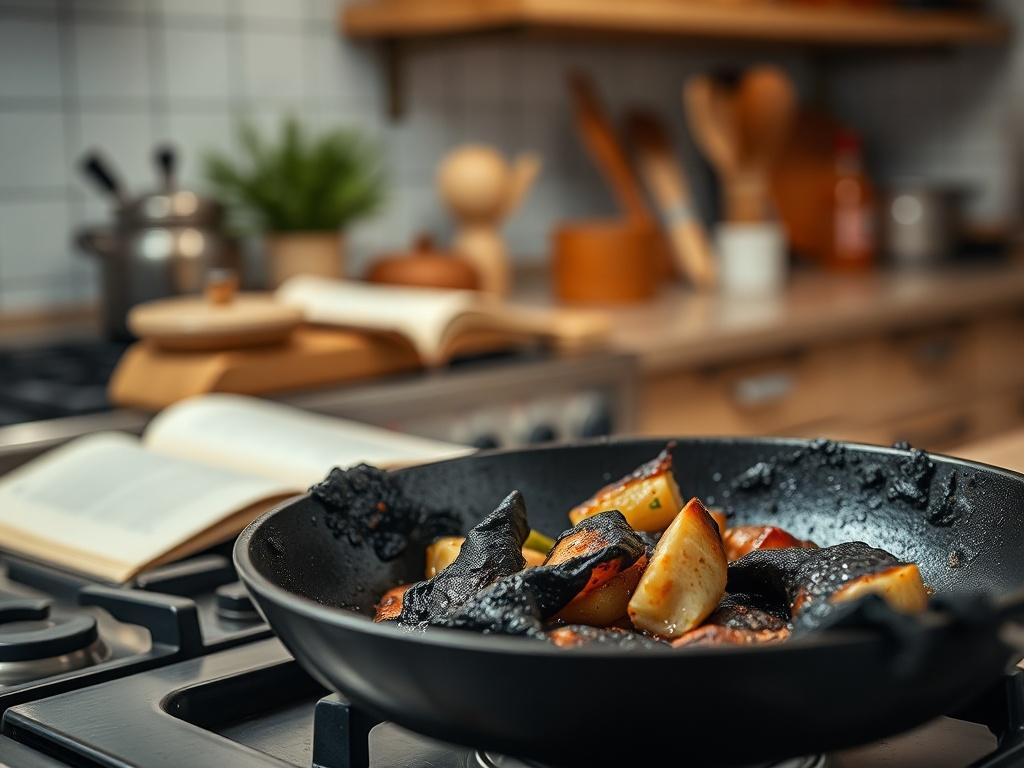
Cooking can be a delightful experience, yet it often becomes a source of frustration when food burns. It happens most of the time when someone is busy multitasking or enjoying some screen time in the kitchen. Whether you're juggling a phone call, binge-watching your favorite show, or managing multiple recipes at once, it's easy for your focus to slip, and before you know it, dinner is spoiled. But don’t worry; we’re here to help you navigate through these common challenges with practical solutions.
In this blog post, we will explore why food burns and identify the common culprits of kitchen mishaps. We’ll provide practical strategies to help you prevent these incidents, ensuring a smoother cooking experience even amidst the chaos of multitasking. Additionally, if the unthinkable happens and your meal takes a turn for the worse, we’ll offer quick fixes to salvage burnt dishes. With our expert tips, you’ll feel more confident in the kitchen and enjoy your culinary adventures without the fear of charred meals.
Understanding why food burns: common culprits and distractions
Food burns while cooking for various reasons, with one of the primary culprits being high heat combined with lack of attention. When you're engrossed in multitasking or even enjoying a show, it's easy to lose track of time. The stovetop temperature can quickly rise, leading to that dreaded scorched flavor. For instance, when you focus on chopping vegetables or answering phone calls, your pot might simmer over or your frying pan may overheat. This is especially true for delicate foods like rice, sauces, and certain proteins that require constant monitoring to prevent burning.
Distractions play a significant role in kitchen mishaps. Whether you're trying to juggle multiple tasks at once or getting caught up in a good episode on streaming platforms, it’s common to forget that something is cooking on the stove. Additionally, many home cooks overlook the importance of reading and following recipe instructions, which often include specific cooking times and temperature settings. Ignoring these details while multitasking can lead to burnt meals and wasted ingredients. By understanding these common causes, you can better prepare to tackle cooking without the fear of burnt food ruining your culinary experience.
Practical strategies for preventing kitchen mishaps while multitasking
When cooking, it’s easy to get sidetracked by tasks or distractions, leading to burnt food. One effective strategy to prevent this is to prepare all ingredients and equipment before starting to cook. This technique, often referred to as mise en place, ensures that you have everything you need within arm’s reach. With your ingredients prepped and organized, you can focus on cooking without the constant interruptions of chopping vegetables or finding utensils mid-recipe. This organization minimizes the chances of losing track of time or letting the food overcook.
Another helpful approach is to set timers for each stage of your cooking process. As you juggle multiple tasks, relying on timers can provide a clear reminder to check on your food, preventing it from burning. Use different timers for different dishes if you're cooking multiple items at once. Smartphone apps or kitchen timers work great for this. Also, designate a specific area in the kitchen for tasks requiring your attention, allowing you to keep your cooking zone distraction-free. By implementing these strategies, you can significantly reduce the risk of burnt food, even in a busy or chaotic cooking environment.
Quick fixes for burnt food: solutions to salvage your meal
Burnt food can feel like a culinary disaster, but don’t toss it out just yet! First, assess the damage. If the food has only a slight char on the edges, you can often salvage it by scraping away the burnt parts with a sharp knife. For rice or grains that have developed a burnt bottom, transfer the unburned portion to a new pot or bowl, taking care not to scrape the burnt layer. Fluff the remaining rice and add a splash of broth or water to reintroduce moisture, enhancing both texture and flavor.
In cases where the flavor has suffered due to the burn, consider using complementary ingredients to mask the taste. A sprinkle of herbs, a dash of seasoning, or incorporating a rich sauce can work wonders. For soups or sauces that have a slight burnt taste, try blending them to create a smoother texture and more balanced flavor. Remember, creativity is key! Sometimes, a pinch of sweetness from honey or sugar can help balance out any bitterness caused by burning. With these quick fixes, you can turn your culinary mishap into a delicious dish!