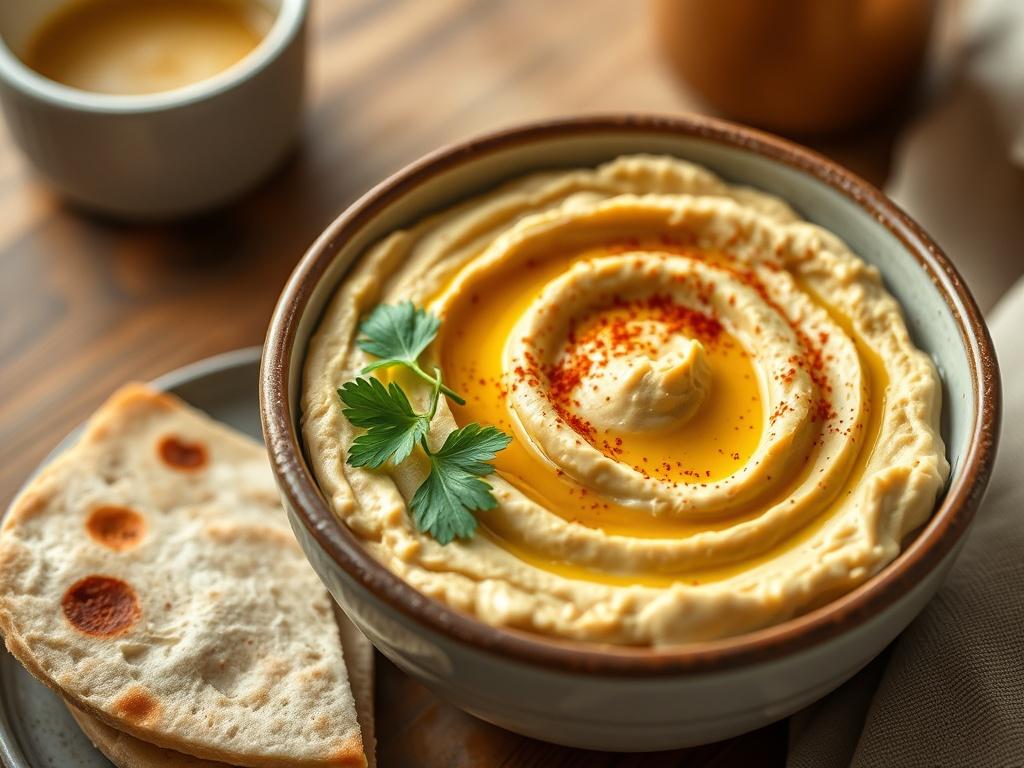
Hummus: More Than a Dip – A Culinary Legacy in a Bowl
They say the simplest things are often the most profound. In a world of complex culinary creations, few dishes can claim the humble yet majestic status of hummus. This creamy, tangy, and utterly satisfying blend of chickpeas, tahini, lemon, and garlic is more than just a Middle Eastern appetizer; it is a cultural icon, a nutritional powerhouse, and a testament to the timeless appeal of simple, wholesome ingredients.
But what is the story behind this beloved spread? How did a simple peasant food traverse deserts and oceans to become a global supermarket staple? And more importantly, what is the secret to making a truly transcendent batch at home?
This is not just a recipe. This is the definitive guide to hummus—its storied past, its undeniable health benefits, and its endless possibilities. Prepare to see your favorite dip in a whole new light.
Part 1: The Ancient Origins and Contentious Journey of Hummus
A Dish Shrouded in the Mists of Time
The exact origin of hummus is lost to history, a fact that has made it a subject of friendly (and sometimes not-so-friendly) rivalry among nations. Unlike a dish invented by a specific chef in a documented year, hummus evolved over millennia.
The core ingredient, the chickpea, was one of the earliest cultivated crops in the Fertile Crescent, with evidence of its domestication dating back over 10,000 years. The first known recipes for a cold purée of chickpeas with vinegar and herbs appear in 13th-century cookbooks from Cairo, Egypt. However, the combination of chickpeas and tahini (sesame paste) likely existed long before it was ever written down.
The "Who Invented It?" Debate
The modern nations of Lebanon, Palestine, Syria, Jordan, Egypt, and Greece all have deep historical and cultural claims to hummus. It is a cornerstone of Levantine and Eastern Mediterranean cuisine.
- Lebanon has famously staked its claim, even holding the world record for the largest plate of hummus (weighing over 10,000 kilograms) in a bid to assert its ownership.
- Palestine, Syria, and Jordan each have their own traditional variations and consider hummus an intrinsic part of their culinary heritage.
Rather than belonging to one nation, hummus is best understood as a shared gift from the ancient Levant. Its journey mirrors the movement of people, trade, and culture across the region for centuries.
The Global Ascent of a Humble Dip
Hummus's journey to global superfood status began in the latter half of the 20th century. As travel and immigration brought Middle Eastern cultures to the West, so too came their food. Initially found in specialty stores and ethnic restaurants, hummus broke into the mainstream in the 1990s and early 2000s. The health food movement, the rise of vegetarian and vegan diets, and a growing consumer interest in "authentic" global flavors propelled it from an exotic curiosity to a refrigerator staple in homes from London to Los Angeles.
Part 2: The Science of Smoothness: Crafting the Ultimate Hummus Recipe
The difference between good hummus and great, ethereally smooth hummus is not magic—it's science and technique. Here are the non-negotiable secrets.
The Core Principles:
- Cook Your Chickpeas Until They Surrender: Canned chickpeas are convenient, but for the smoothest hummus, start with dried chickpeas. They must be cooked until they are falling-apart tender, far beyond what is typical for salads. A pinch of baking soda in the cooking water helps break down their skins and pectin, accelerating the process.
- The Great Peel Debate: For the absolute pinnacle of smoothness, you must peel your chickpeas. Yes, it is a tedious task, but rolling the cooked chickpeas between your hands or in a kitchen towel will loosen the skins, which can then be discarded. This eliminates the primary source of grittiness.
- Tahini Quality is King: Your hummus is only as good as your tahini. Seek out a high-quality, 100% sesame seed paste from the Middle East (often Lebanese or Israeli). It should be pourable and have a light tan color, not thick, dark, or bitter.
- The Ice Water Trick: Adding a few tablespoons of ice-cold water while blending incorporates air and lightens the texture, making the hummus incredibly fluffy and creamy.
- Blend, Then Blend Some More: Patience is key. A food processor or high-powered blender needs a good 3-5 minutes of continuous blending to purée the chickpeas completely and whip the mixture into a silky-smooth consistency.
(This space is for you to write your detailed, step-by-step recipe in your own voice. The structure below is a suggestion.)
Introduction to Your Personal Recipe:
- [Start with a personal anecdote. Example: "After years of experimenting, I finally unlocked the secret to hummus so good it will make you forget the store-bought stuff forever. Here's my foolproof method."]
Ingredients:
- *[List your ingredients with precise measurements. E.g., 1 cup dried chickpeas, 1/2 tsp baking soda, 1/2 cup high-quality tahini, 1/4 cup fresh lemon juice, 1 small garlic clove, 1 tsp salt, 2-3 tbsp ice water, etc.]*
Instructions:
Step 1: Preparing the Chickpeas
- [Detail the soaking process (if any) and the cooking method with baking soda. Emphasize the "until very tender" point.]
Step 2: Peeling for Perfection (Optional but Recommended)
- [Describe your method for peeling the chickpeas quickly.]
Step 3: The Tahini Base
- [Instruct on whisking the tahini and lemon juice first until it seizes and then lightens in color—a crucial step for emulsion.]
Step 4: The Blending Process
- *[Detail the order of adding ingredients to the food processor. E.g., "Add the peeled chickpeas and garlic to the tahini mixture. Blend for 2 minutes. Scrape down sides. With the motor running, slowly add the ice water. Blend for another 3-4 minutes until perfectly smooth."]*
Step 5: Seasoning and Serving
- [Talk about final seasoning adjustments. Describe how to plate it: swoosh onto a plate, drizzle with olive oil, and garnish with paprika, parsley, and whole chickpeas.]
Chef's Notes/Tips:
- [Add your personal pro-tips here. E.g., "For a garlic flavor without the sharp bite, add a whole peeled clove to the cooking chickpeas." or "The hummus will thicken in the fridge; just stir in a little water to loosen it up before serving."]
Part 3: A World of Flavor: Exploring Hummus Variations
The classic hummus is a perfect base for endless creative interpretations. Here are some beloved regional and modern twists.
Regional Variations:
- Hummus Masabacha: A rustic Israeli/Palestinian version where warm, whole chickpeas are mixed into the hummus, and it's served warm, often with a generous dollop of tahini and a dusting of paprika.
- Hummus Ful: An Egyptian breakfast powerhouse, topped with warm, stewed fava beans (ful medames), olive oil, and hard-boiled egg.
- Hummus Kawarma: A Levantine delicacy topped with spiced, minced lamb or beef that has been fried with onions and pine nuts.
Modern Flavor Infusions:
- Roasted Red Pepper Hummus: Blend in 1-2 roasted red peppers for a sweet, smoky flavor and vibrant color.
- Beetroot Hummus: The addition of a small, cooked beet creates a stunning magenta dip with an earthy sweetness.
- Avocado Cilantro Lime Hummus: A fusion twist—blend in a ripe avocado, a handful of fresh cilantro, and substitute lime for lemon juice.
- Spicy Harissa Hummus: Swirl in 1-2 tablespoons of North African harissa paste for a beautiful kick of heat.
Part 4: The Nutritional Powerhouse: Deconstructing Hummus's Health Benefits
A typical serving of hummus (approx. 2-4 tablespoons) is a dense source of vital nutrients. Let's break down its components and their effects on human health.
Macronutrient & Micronutrient Profile:
- Chickpeas (The Foundation):
Complex Carbohydrates & Fiber: Provide sustained energy and promote digestive health by feeding beneficial gut bacteria. The high fiber content aids in regulating blood sugar levels and lowering LDL ("bad") cholesterol.
Plant-Based Protein: Essential for muscle repair, satiety, and building enzymes and hormones. Makes hummus an excellent food for vegetarians and vegans.
Micronutrients: Rich in Folate (for cell growth), Iron (for oxygen transport), Phosphorus, and B vitamins. - Tahini (The Heart):
Healthy Fats: Primarily polyunsaturated and monounsaturated fats, which support heart health by reducing inflammation and improving cholesterol levels.
Antioxidants: Contains sesamin and sesamolin, compounds with anti-inflammatory and cholesterol-lowering properties.
Minerals: An excellent source of Copper, Manganese, Calcium, and Magnesium, crucial for bone health, nerve function, and antioxidant defense. - Olive Oil & Lemon (The Soul):
Monounsaturated Fats & Polyphenols: High-quality extra virgin olive oil is a cornerstone of the Mediterranean diet, linked to reduced risk of heart disease and stroke.
Vitamin C: From lemon juice, which boosts the immune system and significantly enhances the absorption of non-heme iron from the chickpeas.
Cumulative Health Effects:
- Promotes Heart Health: The synergy of fiber, healthy fats, and antioxidants works to lower cholesterol, reduce blood pressure, and fight inflammation.
- Supports Weight Management: The combination of protein and fiber creates a powerful feeling of fullness (satiety), reducing overall calorie intake.
- Stabilizes Blood Sugar: The low glycemic index and high fiber content prevent sharp spikes in blood glucose, making it a good choice for diabetics.
- Enhances Gut Health: The fiber in chickpeas acts as a prebiotic, feeding the good bacteria in your gut, which is linked to improved immunity and mental well-being.
Part 5: Hummus Today: Most Consuming Regions and Culinary Uses
While the Levant remains the spiritual home of hummus, its consumption has globalized.
- Highest Per Capita Consumption: Israel leads the world, where it is a daily dietary staple. It is also consumed in vast quantities in Lebanon, Palestine, Jordan, and Syria.
- Fastest-Growing Markets: The United States, United Kingdom, Germany, and Australia have seen explosive growth in hummus sales over the past two decades, driven by health and wellness trends.
Beyond the classic dip, hummus is incredibly versatile in the kitchen:
- A Sandwich Spread: A far healthier and more flavorful alternative to mayonnaise.
- A Bowl Topping: The centerpiece of a nourishing "hummus bowl," topped with grilled vegetables, grains, and a protein source.
- A Salad Dressing Base: Thinned out with more lemon juice and water, it makes a creamy, protein-packed dressing.
- A Side for Grilled Meats: Pairs beautifully with chicken, lamb, and fish.
Conclusion: A Timeless Treasure
From the ancient kitchens of the Levant to the modern health-conscious households across the globe, hummus has completed a remarkable journey. It is a dish that transcends borders, a simple recipe that contains profound depth, and a wholesome food that delights the palate while nourishing the body. It is more than a trend; it is a timeless treasure. So, the next time you scoop up a bite, remember you are tasting thousands of years of history, culture, and culinary wisdom.
We'd love to hear from you! What's your favorite way to eat hummus? Do you have a secret ingredient you add to your recipe? Share your thoughts and experiences in the comments below!