
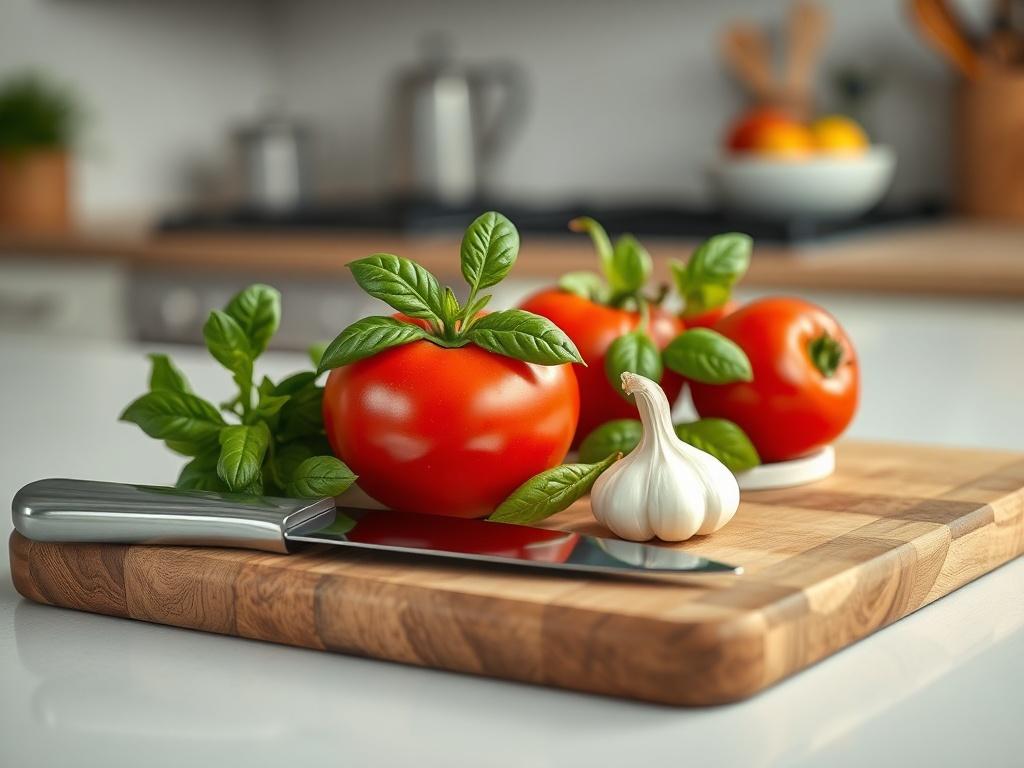
Cooking can feel overwhelming for beginners, but with the right techniques, tools, and mindset, anyone can become a confident home cook. This detailed blog post will provide essential cooking tips for beginners, focusing on key techniques to master, must-have tools to simplify your culinary journey, and valuable advice to build your confidence in the kitchen. Whether you’re preparing a simple dinner or experimenting with new recipes, these foundational skills will help you enjoy the process and produce delicious results.
As you embark on your cooking adventure, remember that practice is essential. Every expert was once a beginner, and by learning key techniques and using the right tools, you'll find that cooking becomes an enjoyable expression of creativity. This post aims to guide you through the initial hurdles, offering practical tips and support to elevate your skills. Get ready to step into the kitchen with enthusiasm and determination as we explore the essential cooking tips that will set you on the path to culinary success!
Key techniques every beginner should master for success in the kitchen
One of the most fundamental techniques every beginner should master is knife skills. Being comfortable with a knife can greatly enhance your cooking experience and efficiency. Start by practicing the basic grip: hold the handle firmly with your dominant hand while gripping the base of the blade with your thumb and index finger. Learn the essential cuts, such as dicing, chopping, and mincing. Not only will these skills save you time, but they will also improve the consistency of your ingredients, making for a more appealing dish. Remember, practice makes perfect; don’t hesitate to chop vegetables frequently until you become proficient.
Another crucial technique for beginners is understanding how to sauté properly. Sautéing is a versatile cooking method that can elevate the flavors of your ingredients. Begin by heating a pan over medium-high heat and adding a small amount of oil. Once the oil shimmers, add your ingredients, ensuring not to overcrowd the pan. Stir or toss the food frequently to achieve an even cook and to prevent sticking. This technique enhances the flavor and texture, creating delicious meals with minimal fuss. Mastering both knife skills and sautéing will provide you with a solid foundation as you navigate your culinary journey.
Must-have cooking tools to simplify your culinary journey
Every beginner chef should equip their kitchen with a few essential tools that will streamline the cooking process and enhance the overall experience. A sharp chef's knife stands out as the critical starting point; it allows for precise chopping and slicing, making preparation more efficient. A sturdy cutting board, preferably wood or plastic, is essential for protecting your countertops and ensuring safety while you work. Consider investing in a set of measuring cups and spoons, as accurate measurements can be the difference between a successful dish and a culinary mishap. Lastly, a reliable nonstick skillet and a good-quality pot are necessary for a wide variety of cooking methods, from frying and sautéing to boiling and simmering.
As you navigate through your culinary journey, incorporating a few additional handy kitchen gadgets can elevate your cooking experience. A vegetable peeler and a set of mixing bowls will help simplify your prep work, while a whisk is essential for mixing batters, dressings, and sauces. If you plan on venturing into baking, a baking sheet and a set of measuring spoons will be valuable assets. Don’t overlook the importance of a reliable kitchen timer to ensure your dishes are cooked to perfection. With these must-have tools at your disposal, cooking will become a more enjoyable and successful venture, allowing you to focus on honing your skills and experimenting with new recipes.
Confidence-building advice to help beginners thrive in cooking
Cooking can feel intimidating at first, but building confidence is essential for any beginner. Start by focusing on simple recipes that interest you. Exploring dishes that excite your taste buds makes the cooking process more enjoyable and engaging. As you whip up these easy meals, give yourself permission to make mistakes. Every cook has burned a dish or mismeasured an ingredient at some point; embrace these errors as valuable learning opportunities. The more you cook, the more you'll tune in to your instincts and develop a sense of what works, empowering you to experiment fearlessly.
Another way to build your cooking confidence is to establish a routine. Try to set aside time each week to cook, whether it’s trying a new recipe or refining a dish you love. Consistency helps reinforce your skills and deepens your understanding of flavors, techniques, and timing. Additionally, consider inviting friends or family to join you in the kitchen. Cooking with others not only provides a chance to learn from them but also creates a supportive environment where you can share ideas, tips, and laughter. Remember, cooking is as much about joy and creativity as it is about technique; so take your time, stay curious, and watch your confidence soar.