
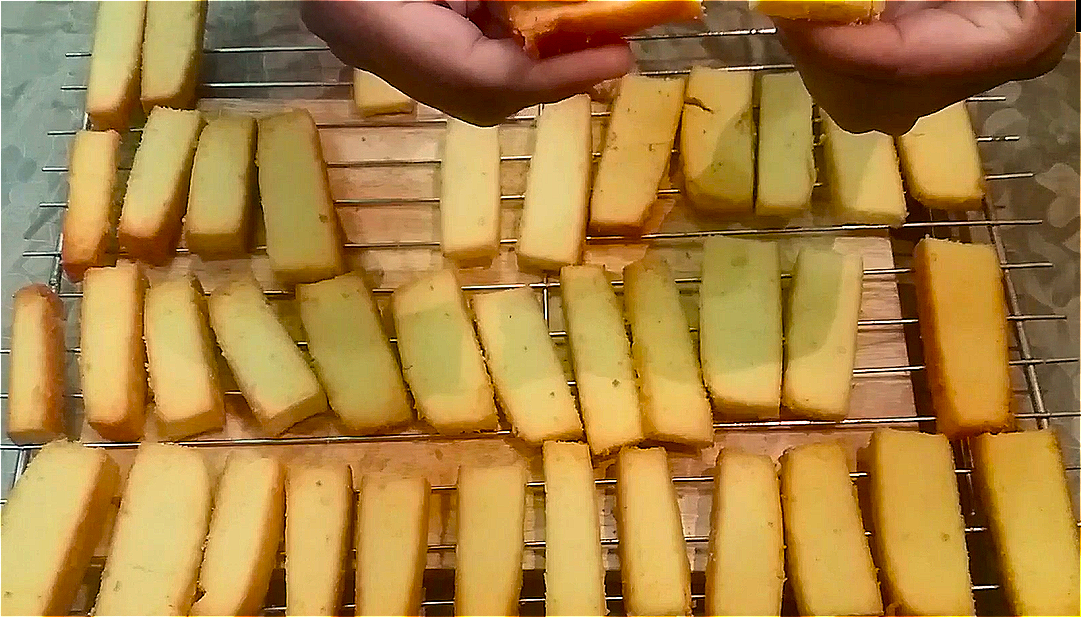
Cake rusk is one of the most beloved tea-time snacks in South Asia, particularly in Pakistan, Bangladesh and India. Known for its crisp texture, golden color, and slightly sweet flavor, cake rusk holds a nostalgic significance for millions of people who have grown up dipping it into cups of hot tea or warm milk. Although today’s bakeries offer many variations, the roots of cake rusk go far deeper into culinary traditions that span centuries.
History of Cake Rusk
The idea behind cake rusk actually traces back to ancient baking practices. Historically, people sought methods to preserve bread for long journeys, military campaigns, and storage. The earliest form of rusk, often called “twice-baked bread,” dates back to Roman times. Soldiers and travellers depended on these dry, long-lasting rusks because they did not spoil easily.
Over time, the concept evolved, and different cultures adapted rusk to their local styles. When the British introduced their teatime culture into the Indian subcontinent during the colonial era, a sweeter, cake-based version of rusk emerged. Local bakeries discovered that by baking a simple cake and then slicing and re-baking it, they could create a crunchy snack that complemented tea perfectly. This gave rise to what we know today as “cake rusk,” a product that blends British teatime tradition with South Asian taste preferences.
By the mid-20th century, cake rusk had become a household staple. From bakery shelves to festive gatherings, its presence grew steadily, turning it into a cultural icon of tea-time hospitality.
Available Variants of Cake Rusk
Modern bakeries now experiment with flavors and textures to cater to evolving tastes. Some popular variants include:
The classic version—lightly sweet, golden, crisp, and perfect for dipping.
2. Butter Cake Rusk
Prepared with extra butter, providing a richer flavour, butter fragrance and slightly softer bite.
3. Cardamom Cake Rusk
Infused with natural cardamom powder, offering a fragrant and traditional aroma popular in South Asian households and pallets.
4. Almond or Pistachio Cake Rusk
Topped or mixed with nuts to enhance both crunch and visual appeal. This gives it a royalty and acceptability in other regions, as well.
5. Whole Wheat Cake Rusk
A healthier alternative, made with whole wheat flour, offering added fibre, for diet and calorie conscious people.
6. Sugar-Free Cake Rusk
Ideal for diabetics or health-conscious individuals who prefer controlled sugar intake.
7. Flavored Cake Rusk
Variants like vanilla, chocolate, coffee, orange, mix of any two flavors or coconut have become trendy in gourmet bakeries.
Uses of Cake Rusk
Cake rusk is versatile and can be enjoyed in many ways:
1. Traditional Tea-Time Snack
The most common use is dipping a piece of rusk into tea until it softens slightly. The crunchy-sweet combination is universally adored.
2. Breakfast Companion
Many people enjoy cake rusk with warm milk or coffee in the morning. Its lightness makes it an easy, quick breakfast.
3. Dessert Base
Crushed cake rusk can be used in trifles, pudding layers, or cheesecake bases when no biscuits are available.
4. Snack for Children
It is a suitable option for kids due to its mild sweetness and digestibility.
5. Travel-Friendly Snack
Because it does not spoil quickly, cake rusk is ideal for long journeys.
6. Midnight Craving Fix
Light, dry, and crunchy—perfect for guilt-free snacking.
Nutritional Facts
Although the exact nutritional value varies by brand, a typical serving (2 pieces) contains:
Nut or whole-wheat variants may contain higher protein and fiber. Sugar-free versions use alternative sweeteners to reduce calories.
Cake rusk is not considered a nutrient-dense food, but it provides quick carbohydrates for energy and small amounts of fats and proteins.
Pros of Cake Rusk
1. Long Shelf Life
Because it is baked twice, moisture is removed, making it resistant to spoilage.
2. Light & Digestible
Its airy structure makes it easy on the stomach.
3. Convenient Snack
Ready-to-eat, travel-friendly, and mess-free.
4. Versatile Flavors
With so many varieties, cake rusk suits a wide audience.
5. Kid-Friendly
Its gentle sweetness appeals to children and can replace heavier treats.
Cons of Cake Rusk
1. High in Carbs & Sugar
Regular consumption isn't ideal for diabetics or individuals watching sugar intake.
2. Contains Processed Ingredients
Commercial brands may include preservatives, artificial flavors, or refined flour.
3. Low in Nutrients
While delicious, it does not provide substantial vitamins or minerals.
4. Can Be Hard for Dental Issues
The crisp texture may be difficult for people with weak teeth.
Conclusion
Cake rusk has evolved from ancient rusk traditions into a beloved South Asian snack enjoyed with tea and coffee. With countless variants now available, it caters to both traditional and modern tastes. Though not a health food, cake rusk remains a comforting, convenient, and nostalgic delight. Whether savored at breakfast, tea-time, for hosting or late-night cravings, its charm remains timeless.

