
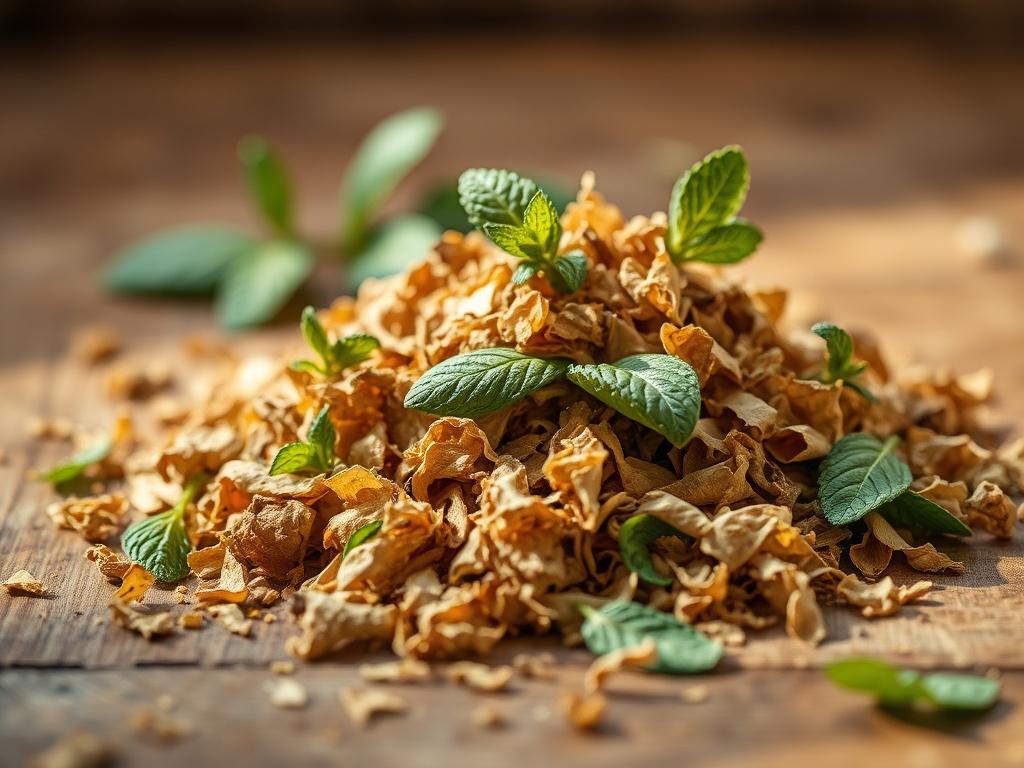
Dried mint is the sun-kissed, crumbled leaves of fresh mint—preserving much of its distinctive cool, refreshing, and slightly sweet flavor in a shelf-stable, concentrated form. As you explore your kitchen, you'll find that this humble herb carries the essence of summer gardens, transforming ordinary dishes into extraordinary culinary experiences. Although it mellows compared to its fresh counterpart, dried mint introduces deeper, earthy undertones that make it a beloved staple in Middle Eastern, Mediterranean, and South Asian kitchens. From savory to sweet, its presence adds a cooling, aromatic lift that elevates every recipe it touches.
In this blog post, we will dive into the delightful allure of dried mint, showcasing its journey from vibrant gardens to culinary essentials. Discover how this versatile flavor enhancer can effortlessly uplift your favorite dishes, whether you’re sprinkling it over yogurt dips, folding it into rice, or brewing it in herbal teas. Furthermore, we will embrace the rich heritage of dried mint, exploring its significant role across global cuisines. Join us as we celebrate this aromatic gem, a symbol of hospitality and freshness, complementing every culinary tradition with its enchanting touch.
The delightful allure of dried mint: From summer gardens to your kitchen
Dried mint is the sun-kissed, crumbled leaves of fresh mint, capturing the essence of summer gardens in a convenient, shelf-stable form. As you open a jar of dried mint, an aromatic wave of cool, refreshing, and slightly sweet fragrance envelops you, transporting you back to the vibrant scenes of lush mint leaves swaying in the warm breeze. This magical herb evokes feelings of hospitality and freshness, making it a cherished ingredient in kitchens around the world. Despite losing some of its brightness compared to its fresh counterpart, dried mint offers a deeper, earthy undertone that enriches dishes in delightful ways.
Incorporating dried mint into your cooking invites a transformative experience, where every pinch carries the memory of summer. Its versatility shines through, as it effortlessly enhances both savory and sweet creations alike. From being a key player in aromatic yogurt dips to adding depth to rice dishes and invigorating meat rubs, dried mint adapts with ease to suit various culinary applications. As it mingles with other ingredients, dried mint delivers a cooling, aromatic lift that enhances the overall flavor profile, ensuring that every dish you prepare reflects the enchanting charm of garden-fresh herbs.
Elevating dishes with dried mint: A versatile flavor enhancer
Dried mint is a flavor powerhouse that can transform a variety of dishes into culinary masterpieces. When sprinkled over yogurt dips like tzatziki or raita, it infuses a cool, aromatic burst that perfectly complements the creaminess. Its earthy notes add depth to rice dishes, whether it’s a fragrant pilaf or a simple bowl of steamed basmati. Cooks often fold the dried leaves into marinades and spice mixes for meats, enhancing the flavor profile and bringing a refreshing twist that balances richer tastes. The subtle sweetness of dried mint works wonders with the savory and umami elements in dishes, creating a harmony that elevates the overall dining experience.
Beyond savory applications, dried mint also shines in sweet creations and beverages. It offers a delightful contrast when mixed into desserts like mint-infused chocolate or used as a garnish on fruit salads, bringing a distinct flair to the plate. Additionally, brewing dried mint into herbal teas provides a soothing, refreshing drink that captures the essence of summer in every sip. The versatility of dried mint makes it an essential ingredient, allowing home cooks and professional chefs alike to harness its potential across a wide array of culinary traditions.
Embracing the rich heritage of dried mint in global cuisines
Dried mint has woven itself into the very fabric of culinary traditions across various cultures. In Middle Eastern cuisine, it enhances dishes like tabbouleh and fattoush, bringing a refreshing contrast to the robust flavors of spices and grilled meats. Its presence in Mediterranean cooking is equally cherished, especially in dishes such as Greek tzatziki and Italian pesto, where it not only adds depth but also evokes the essence of sunlit gardens. South Asian kitchens embrace dried mint in a plethora of recipes, from cooling raitas to fragrant biryanis, emphasizing its role as a staple for both enhancing flavors and balancing spices.
Beyond its flavor profile, dried mint carries cultural significance, often symbolizing hospitality and bounty. It is a common ingredient in many traditional herbal teas, offering comforting warmth and relief in times of need. People serve mint tea in homes to greet guests, illustrating its integral role in social gatherings. As it travels from kitchens in the East to tables worldwide, dried mint serves as a reminder of shared culinary heritage, uniting diverse cultures through a simple yet profound ingredient that captures the spirit of summer and generosity in every pinch.