
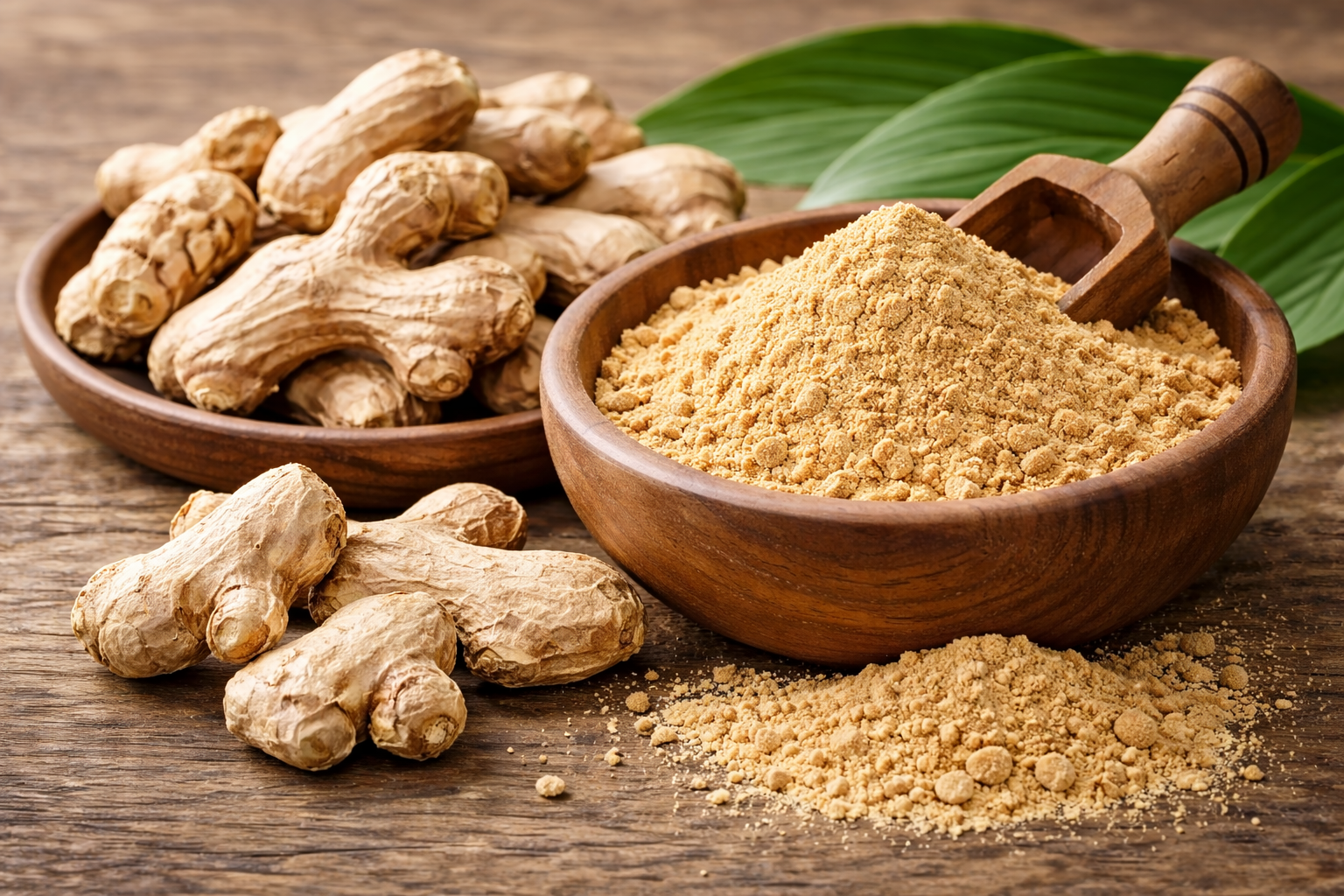
Sonth, or dried ginger, is more than just a spice; it is a culinary treasure deeply rooted in the cultural fabric of South Asia. Transforming the sun-warmed, gnarled rhizome of fresh ginger into a concentrated flavor powerhouse, sonth offers a unique blend of warmth, sweetness, and earthiness that enriches dishes across various cuisines, particularly in Ayurvedic and Punjabi traditions. Its mellow notes of lemon and wood provide a gentle foundation for countless recipes, making it an invaluable staple in kitchens from the bustling markets of Delhi to home kitchens in Lahore.
In this blog post, we will explore the multifaceted world of sonth, revealing its rich history and cultural significance, alongside its culinary versatility that extends from aromatic chai to savory curries. Additionally, we will delve into the impressive health benefits of dried ginger, highlighting its warming properties and soothing effects on digestion. Join us on a flavorful journey that celebrates the comforting essence of sonth and its vital role in enhancing both dishes and well-being.
The rich history and cultural significance of sonth in South Asian cuisine
Sonth, or dried ginger, boasts a storied history that dates back thousands of years. Revered in ancient texts, it played a crucial role in traditional medicine and culinary practices across South Asia. In Ayurvedic medicine, sonth acted as a remedy for various ailments, particularly due to its warming properties and digestive benefits. Cooks across India have long valued sonth not just for its taste but also for its ability to bring balance and harmony to dishes. As such, it has become a staple in South Asian kitchens, reflecting the deep-rooted connection between food and health in the region.
Culturally, sonth holds significant importance during festive occasions and rituals. Its unique flavor enhances celebratory foods, enriching both everyday meals and special dishes prepared for significant events. In Punjabi households, for example, sonth finds its way into numerous recipes that honor Thanksgiving festivals and family gatherings. This spice embodies tradition, reflecting a culinary heritage that celebrates the intricate relationship people have with food and the land. Whether in homes or restaurants, the presence of sonth serves as a reminder of the rich tapestry of flavors that defines South Asian cuisine.
Unlocking the culinary versatility of dried ginger: from chai to curries
Sonth, or dried ginger, reveals its culinary prowess in numerous South Asian dishes, where its warm, earthy tones elevate flavors and aromas. In the beloved masala chai, sonth blends harmoniously with other spices, creating a fragrant brew that delights the senses with its soothing heat. This spiced tea showcases sonth's ability to balance sweetness and warmth, making it a comforting start to the day or a revitalizing afternoon pick-me-up. Beyond beverages, sonth weaves its magic into a variety of savory dishes. Its subtle notes of lemon and wood enhance the complexity of flavorful curries, while a pinch in lentil dishes adds depth and richness.
In traditional Punjabi cuisine, sonth takes center stage in spice mixes like panch phoron and garam masala, delivering depth and warmth to every bite. Home cooks and chefs alike incorporate sonth into stews and soups, where its gentle heat not only enriches the flavor profile but also comforts the body. Whether used in marinades, blended with yogurt for cooling dips, or as a critical ingredient in festive dishes, sonth proves to be a versatile staple. Its ability to ground other flavors while providing a soothing warmth makes it an essential component in the South Asian culinary landscape, inviting both nostalgia and innovation in every kitchen.
The health benefits of sonth: warming properties and digestive comfort
Sonth, or dried ginger, boasts an impressive array of health benefits that make it a cherished ingredient in South Asian kitchens. Renowned for its warming properties, sonth stimulates circulation and enhances metabolic functions, effectively combating feelings of coldness and sluggishness during the cooler months. Its ability to warm the body and promote digestion makes it an ideal spice for those seeking comfort through their meals. Many use sonth to soothe minor ailments, as it can help alleviate nausea, aid in digestion, and provide relief from respiratory issues, making it a staple in Ayurvedic remedies.
In addition to its warming qualities, sonth's gentle, earthy heat serves as a perfect digestive aid. It helps to relieve bloating and gas, promoting a smoother digestive process. By incorporating sonth into daily meals, individuals can enhance their overall well-being while enjoying a subtle yet flavorful addition to their dishes. Whether blended into warm chai, stirred into hearty stews, or sprinkled over rice, sonth elevates flavors while offering comfort and support to the digestive system, making it a true powerhouse in culinary traditions.