
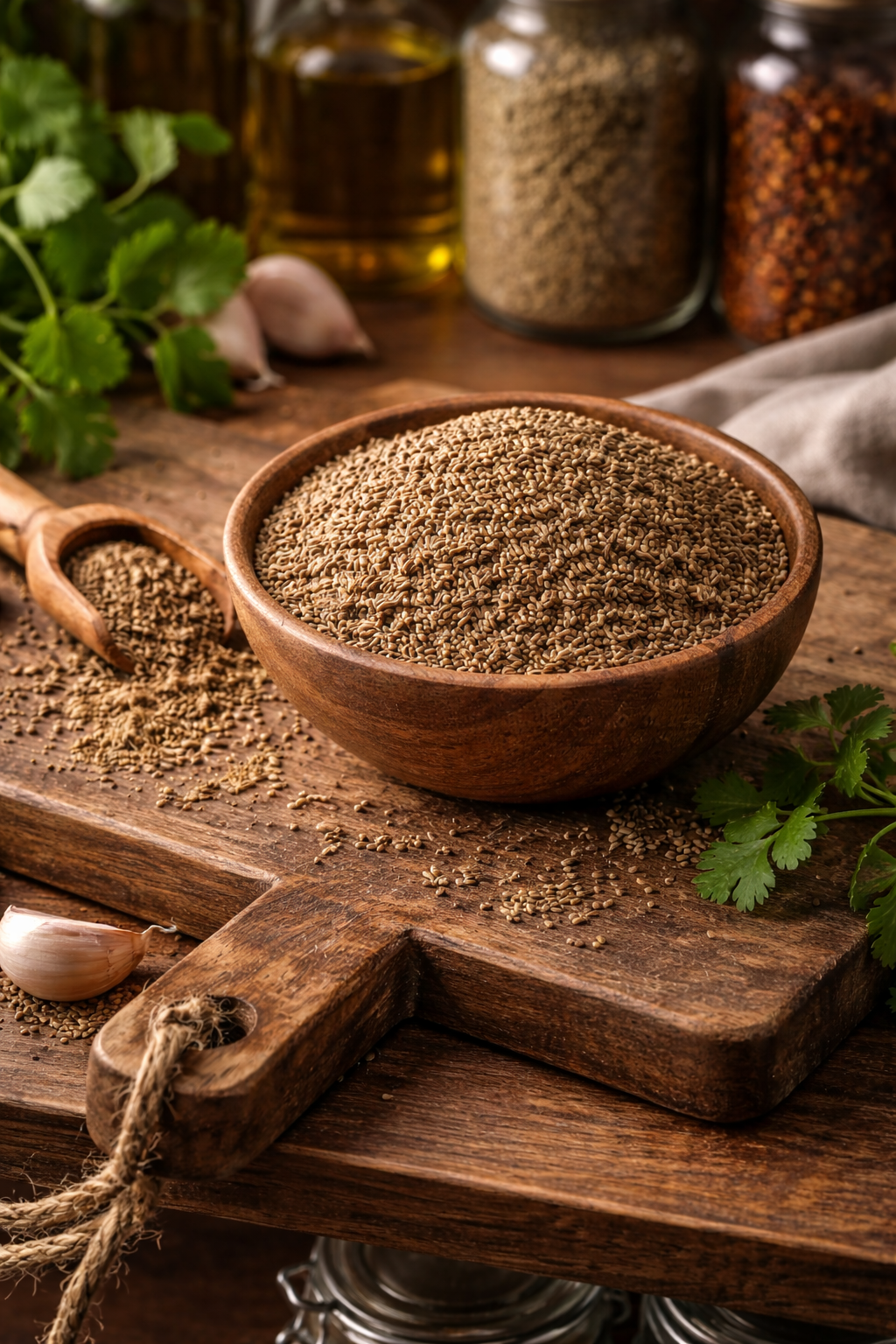
Carom seeds, known as ajwain in South Asia, are tiny but mighty seeds that can transform your culinary and wellness experiences. These oval-shaped seeds boast a potent, thyme-like aroma and a sharp, pungent flavor that surprises many who encounter them. Often confused with cumin or fennel, carom seeds bring a distinct, slightly bitter taste enriched with notes of oregano and anise. Beyond their unique flavor profile, these seeds have a warming sensation and a myriad of health benefits, making them a staple in both kitchens and traditional medicine cabinets.
For centuries, carom seeds have been revered in Ayurvedic practices for their powerful digestive properties, often consumed raw or steeped into tea for relief from indigestion and bloating. In the realm of Indian cuisine, they serve as a secret weapon, adding a deep, earthy depth to a variety of dishes. When tempered in hot oil, carom seeds release their aromatic oils, enhancing flatbreads, savory pastries, lentil dishes, and vegetable stir-fries. Join us as we explore the magic of carom seeds, delving into their culinary treasures, healing capabilities, and the flavors they elevate in traditional Indian cooking.
Unlocking the magic of carom seeds: A culinary treasure known as ajwain
Carom seeds, or ajwain, shine brightly in the world of spices. Their tiny, oval-shaped form holds a treasure trove of flavor and aroma, reminiscent of thyme but with a sharper, more pungent punch. When crushed or slightly heated, these seeds release an intense fragrance that can instantly elevate any dish. Often mistaken for cumin or fennel due to their similar shapes, carom seeds stand apart with their unique taste profile. The blend of slightly bitter undertones, along with hints of oregano and anise, creates a complex flavor that delights the palate and intrigues the senses.
In Indian kitchens, ajwain has carved out its niche as a beloved ingredient, often found in heartwarming dishes like parathas or spicy lentil stews. When tempered in hot oil, carom seeds unleash their aromatic oils, resulting in an earthy depth that transforms mundane recipes into culinary masterpieces. Chefs value ajwain not just for its taste but also for the intricate ways it complements other spices. From savory pastries to vegetable stir-fries, the inclusion of carom seeds enhances flavors while adding a subtle warmth that captures the essence of traditional Indian cooking.
The healing power of carom seeds: Embracing traditional remedies for digestive health
Carom seeds, or ajwain, have long been cherished in Ayurveda for their remarkable digestive benefits. Packed with compounds like thymol, these tiny seeds stimulate the production of gastric juices, which aids in breaking down food more efficiently. Consuming carom seeds can effectively alleviate symptoms of indigestion, bloating, and gas. Many people in South Asia often chew a few raw seeds after a heavy meal or steep them into a soothing tea to promote digestion and provide quick relief from discomfort. This natural remedy has stood the test of time, making carom seeds a staple in traditional medicine cabinets.
In addition to their digestive benefits, carom seeds offer antimicrobial properties that can help combat various infections. Their potent mixture of essential oils acts as a natural remedy for respiratory ailments, such as asthma and bronchitis. Many individuals find that inhaling the aroma of ajwain or using it in steam inhalation brings relief to their airways. This dual role as a digestive aid and a respiratory supporter cements carom seeds as a versatile ingredient in holistic health practices. By incorporating ajwain into your lifestyle, you tap into a powerful ally for maintaining overall wellness and balance.
Elevating flavors with carom seeds: A secret ingredient in Indian cooking
Carom seeds, or ajwain, serve as a culinary powerhouse in Indian kitchens, effortlessly enhancing the complexity of various dishes. When tempered in hot oil, these tiny seeds release their essential oils, filling the air with their distinctive, thyme-like aroma. This process creates an aromatic base that transforms everyday meals into extraordinary gastronomic experiences. Chefs often sprinkle ajwain into dough for parathas, unleashing a warm, earthy taste that complements the flatbread perfectly. Additionally, these seeds play a crucial role in savory pastries like samosas and kachoris, providing them with a unique flavor profile that defines traditional Indian snacks.
In lentil dishes, vegetable stir-fries, and pickles, carom seeds shine as a versatile ingredient that elevates the overall taste while aligning with health-conscious cooking. Their slightly bitter undertone, combined with hints of oregano and anise, enriches the flavor palette of dishes, making each bite a delightful experience. Adding ajwain not only deepens the taste but also enhances the nutritional value of meals, making them more satisfying and beneficial for digestion. Overall, using carom seeds in Indian cuisine is a celebration of flavor and wellness, showcasing their significance in both traditional recipes and contemporary cooking.