
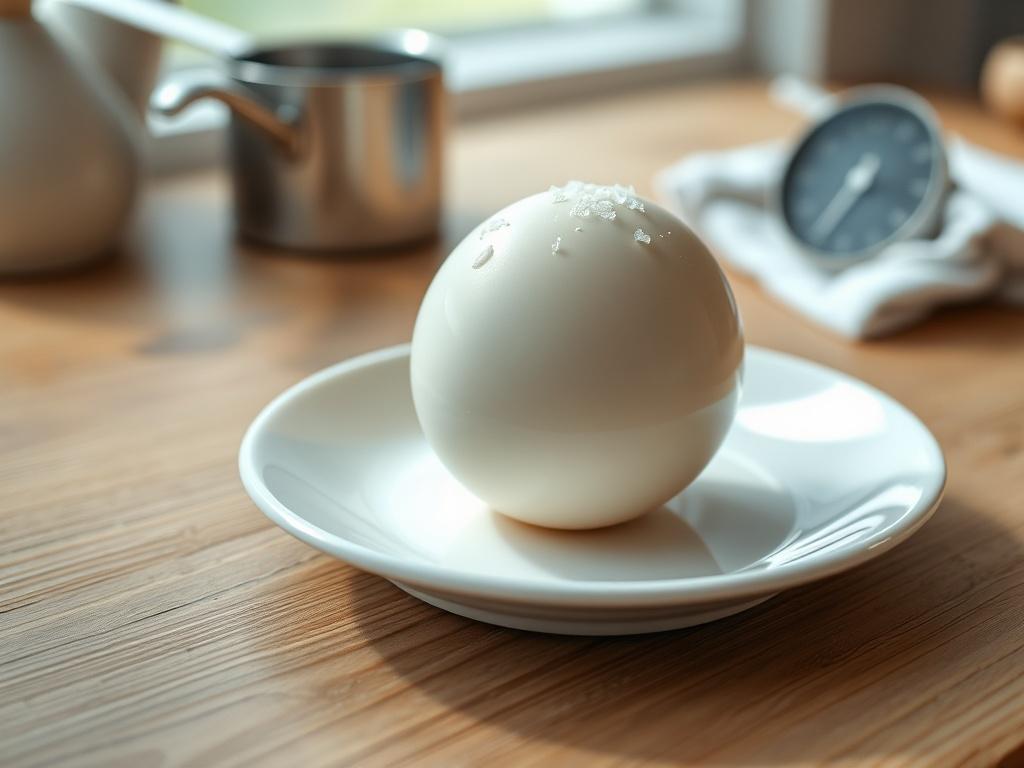
Boiling an egg may seem like one of the easiest tasks on Earth, yet mastering this simple skill can yield surprisingly delightful results. Whether you’re a beginner in the kitchen or a seasoned chef, the perfect boiled egg can elevate your meals and snacks. From breakfast dishes to fancy salads, a beautifully cooked egg can enhance your culinary creations. In this blog post, we will guide you through the nuances of boiling an egg, ensuring you achieve that ideal texture and flavor every time.
While it is considered that boiling an egg is straightforward, a few tips and tricks can make a world of difference. We’ll cover various methods, including how to achieve hard-boiled eggs with a firm yolk, soft-boiled eggs with a runny center, and everything in between. Plus, we’ll explore the delightful variations that make boiled eggs a versatile ingredient in your kitchen. So, whether you prefer a classic hard-boiled egg for a protein-packed snack or a soft-boiled egg to perfect your ramen, read on to discover the essentials for boiling the perfect egg!
Discovering the art of boiling an egg: A simple yet rewarding skill
Boiling an egg may be perceived as one of the easiest tasks in the kitchen, yet it embodies a unique blend of simplicity and precision that can be quite rewarding. This culinary skill serves as a foundational technique for many dishes, and mastering it opens up a world of possibilities. Whether you're aiming for a quick breakfast or a gourmet brunch, perfectly boiled eggs can elevate any meal. The beauty lies in the transformation from a raw egg to a tender morsel that delights the palate—as you unlock the secrets of timing and temperature, you'll find the process both satisfying and enjoyable.
While it may seem straightforward, achieving the desired consistency of a boiled egg requires attention to detail. Understanding how factors like water temperature, cooking time, and cooling methods influence the final result can make all the difference. Each type of boiled egg, from a luscious runny yolk to a firmly set hard-boiled version, requires its own precise technique. With a bit of practice and the right tips, anyone can become adept at boiling eggs to perfection, adding a versatile protein option to their kitchen repertoire. Embrace the journey and discover how this simple task can truly enhance your culinary skills!
Tips and tricks for that perfect boiled egg every time
Boiling an egg might seem straightforward, but a few simple tips can elevate your results. First, start with fresh eggs for the best flavor and texture. Fill a pot with water, enough to fully submerge your eggs, and bring it to a gentle boil. Once boiling, lower the heat to maintain a simmer before gently adding your eggs. This technique prevents cracking and ensures even cooking. To avoid overcooking, keep track of time: 6-7 minutes for soft-boiled eggs and 9-12 minutes for hard-boiled eggs.
Another essential tip is to cool your eggs in an ice bath immediately after cooking. This stops the cooking process and helps with peeling later. If you struggle with peeling, tap the egg gently on a hard surface to create cracks, then roll it between your hands to loosen the shell. For easy peeling, you might also consider adding a teaspoon of baking soda to the boiling water—this can help separate the shell from the egg white. By following these simple tricks, you'll consistently achieve perfect boiled eggs for any meal or occasion!
Exploring delicious variations: Hard boiled, soft boiled, and more!
Boiled eggs aren’t just about reaching a specific doneness; they offer a delightful variety of textures and flavors that cater to all preferences. A hard-boiled egg boasts a firm texture, perfect for slicing into salads or enjoying as a quick snack. When boiling an egg to a hard state, aim for about 9 to 12 minutes in simmering water. If you prefer that classic runny yolk, a soft-boiled egg can be your best bet. Simply boil it for about 6 to 7 minutes, and you’ll be rewarded with a tender white encasing a luscious, flowing yolk that elevates any breakfast or brunch dish.
Moreover, you can experiment further by adjusting the boiling time to create your own signature style of boiled egg. For those who love a touch of creativity, consider exploring variations like poached eggs or egg custard, which can highlight the different ways to enjoy eggs in your meals. Don’t shy away from seasoning your boiled eggs with salt, pepper, or spices to enhance their flavor. With each variation, you have the opportunity to transform a simple boiled egg into a gourmet experience, making every meal not just satisfying, but also a culinary journey.
Summary