
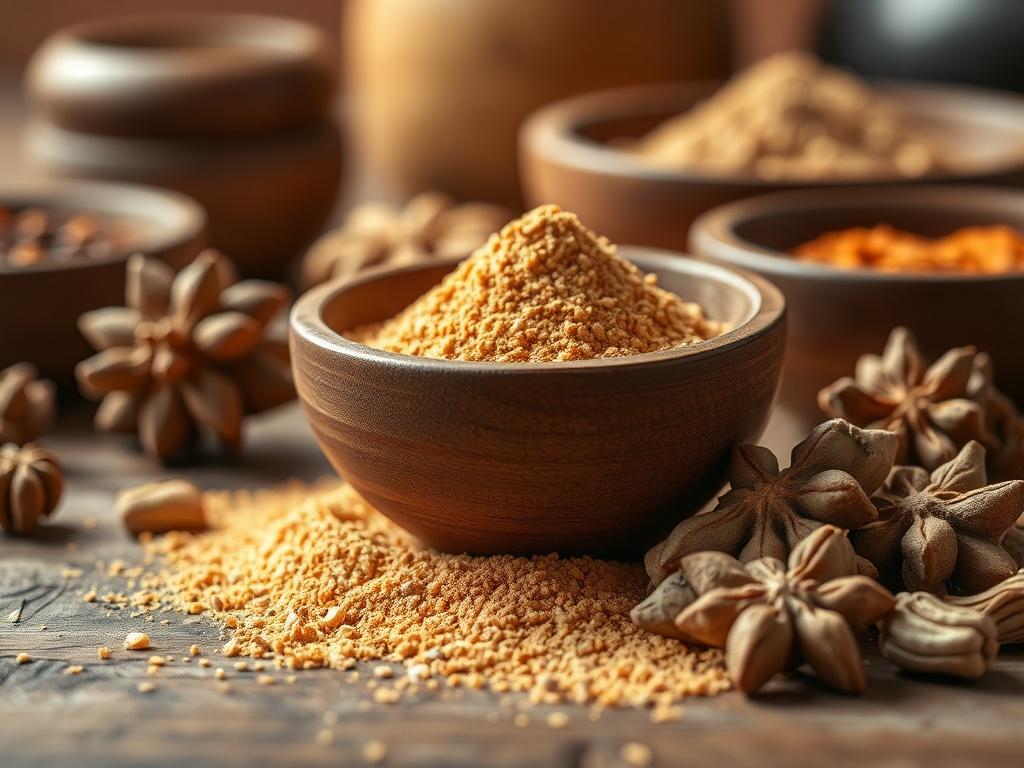
Asafoetida, known in Urdu and Hindi as hing, is a culinary gem that promises to elevate your cooking with its unique, pungent aroma and rich flavor. This dried resin from the roots of a wild fennel-like plant has been revered in Indian vegetarian cuisine for centuries, captivating the palates of food enthusiasts and home cooks alike. With its intriguing scent reminiscent of garlic and onions, hing emerges as more than just a seasoning; it acts as a flavor alchemist, transforming simple ingredients into deeply satisfying dishes.
When used in minute quantities and often fried in hot oil or ghee, the raw sulfuric smell of asafoetida mellows into a delightful umami-rich fragrance that enhances a variety of dishes. Its remarkable ability to act as a flavor enhancer and digestive aid makes hing an essential ingredient in the kitchens of those who follow Jain and Brahmin dietary practices, where alliums are commonly avoided. Join us as we explore the magic of asafoetida, discovering how this unassuming spice can transform everyday meals into extraordinary culinary experiences while also offering a host of health benefits.
The magic of asafoetida: A fragrant addition to Indian vegetarian cuisine
Asafoetida, known in Urdu and Hindi as hing, captures the essence of Indian vegetarian cooking with its distinct and powerful aroma. Revered for its ability to evoke the rich flavors of garlic and onions, hing is a culinary treasure derived from the resin of a wild fennel-like plant. It adds a unique depth to various dishes, making it an indispensable ingredient in many households. When cooked, this pungent resin transforms into a mellow, umami-rich fragrance, liberalizing its complex character and creating an enticing experience for the senses.
Indian cuisine celebrates vegetarianism, especially within Jain and Brahmin traditions, where alliums are often avoided. Hing steps in as a flavorful substitute, elevating the taste of dals, vegetable curries, and lentil-based batters without compromising dietary restrictions. This fragrant resin not only enhances flavors but also encourages creative cooking by inspiring home chefs to experiment with everyday ingredients. With just a pinch, asafoetida weaves magic into simple recipes, turning them into genuinely satisfying culinary creations that resonate with tradition and culture.
Transforming flavors: How hing elevates everyday dishes
Asafoetida is a culinary powerhouse that can effortlessly elevate everyday dishes from mundane to extraordinary. When added to hot oil or ghee, hing releases its robust aroma, transforming from its pungent raw form into a richly savory essence that enhances the flavor profile of any meal. Just a pinch of this potent spice can deepen the taste of dals, vegetable curries, and lentil-based batters. The melding of its unique flavor with other ingredients enables chefs to create dishes that tantalize the palate and leave an unforgettable impression, particularly in Jain and Brahmin cooking, where the absence of alliums requires a creative approach to flavoring.
Its versatility allows hing to shine in a variety of culinary applications. From flavored pickles that burst with taste to comforting soups and stews, asafoetida works wonders in amplifying the essence of various ingredients. The magic of hing lies in its ability to unify flavors, creating harmonious blends that ignite the senses. Whether you’re making a classic chana dal or experimenting with a new vegetable dish, incorporating hing can provide that elusive umami kick that turns a simple plate into a culinary delight—proof that a little goes a long way.
Health benefits of hing: A digestive aid and flavor enhancer
Hing, or asafoetida, possesses remarkable properties that extend beyond its unique flavor profile. This pungent resin has been traditionally valued for its digestive benefits, serving as a natural remedy for bloating and gas. By incorporating hing into your meals, you can promote smoother digestion and alleviate discomfort associated with heavy, rich foods. Its active compounds, notably sulfur compounds, stimulate the production of digestive enzymes, helping the body efficiently break down food and absorb nutrients. This makes hing an indispensable ally in vegetarian cooking, especially when preparing lentils and legumes, which can often be challenging for digestion.
Beyond its digestive advantages, hing also acts as a flavor enhancer, amplifying the natural tastes of various ingredients. Its umami-rich aroma can transform bland dishes into flavorful culinary experiences, making it an essential component in Indian cuisine. Just a pinch of hing can elevate dals, vegetable curries, and even pickles, infusing them with depth and complexity. By balancing the rich flavors of spices and vegetables, hing not only enhances the overall taste but also encourages healthier eating. As people increasingly seek natural solutions for digestive support and flavor enhancement, hing stands out as a powerful asset in the kitchen.