
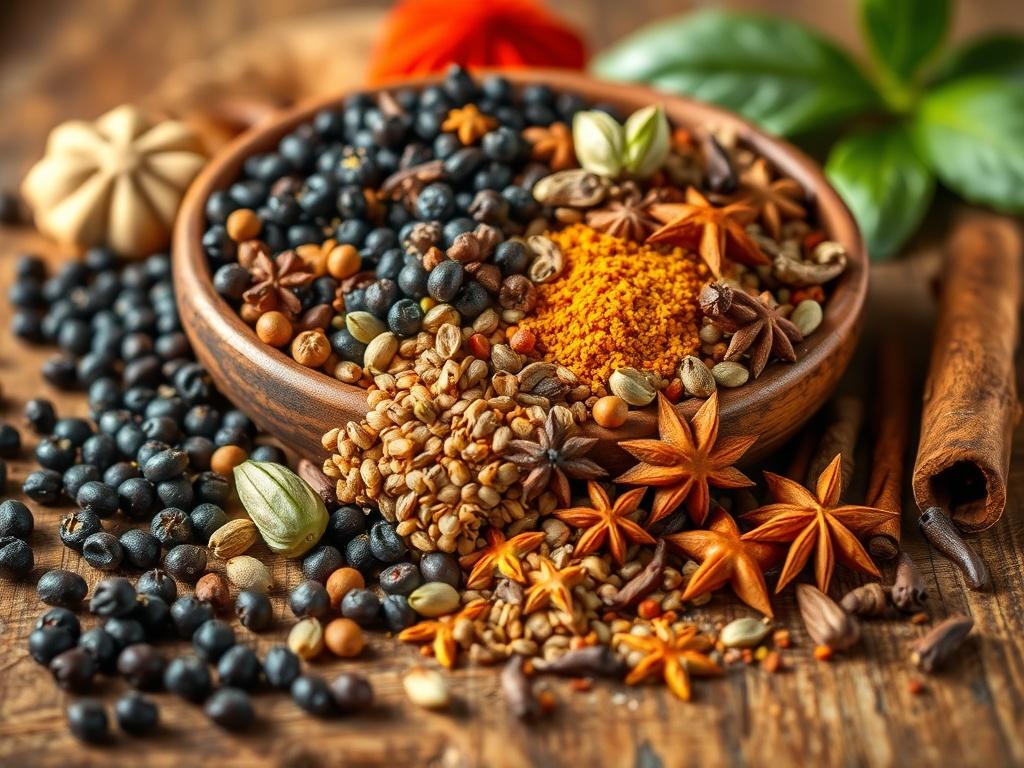
Welcome to the enchanting world of all spices, where each whole spice holds the key to unlocking the full potential of your culinary creations. Whole spices, known for their ability to infuse dishes with depth, aroma, and natural flavor, offer a delightful contrast to their ground counterparts. When you incorporate spices like black pepper, cumin seeds, cloves, and cinnamon into your cooking, you're not just seasoning; you're embarking on a flavorful journey that enhances both savory and sweet preparations alike. By understanding the unique characteristics of these vibrant ingredients, you can elevate your dishes from ordinary to extraordinary.
In this blog post, we will explore the transformative power of tempering whole spices and the art of incorporating them into your cooking to achieve flavor richness. From rice dishes and curries to stews and broths, the proper use of all spices adds warmth and complexity, creating a culinary experience that honors traditional flavors while tantalizing the palate. Join us as we delve into the essential techniques and tips for mastering whole spices, turning simple ingredients into rich, flavorful meals that celebrate authenticity in every bite.
The enchanting world of all spices: A guide to whole spices
Whole spices, also known as all spices, open the door to a myriad of flavors that can transform ordinary dishes into extraordinary culinary experiences. Unlike their ground counterparts, whole spices maintain their essential oils and flavors until they are released into the dish, allowing for a gradual infusion of taste. This unique property not only enhances the depth of savory recipes but also adds aromatic layers to sweet treats. Common whole spices, such as black pepper, cumin seeds, cloves, and cinnamon, form the backbone of countless cuisines around the globe, each contributing its distinct character to dishes.
Understanding how to use all spices effectively enriches your cooking. These spices invite creativity, encouraging you to explore and experiment with flavors. When whole spices are added to recipes, they can elevate simple ingredients, bringing balance and complexity to any meal. For example, the warmth of cloves can deepen a winter stew, while the fragrance of cardamom can brighten a dessert. By incorporating all spices into your cooking arsenal, you can unlock an enchanting world of flavors that captivate and delight the palate.
Transforming your dishes: The magic of tempering whole spices
Tempering whole spices is a crucial culinary technique that unlocks their full potential, allowing them to infuse dishes with vibrant flavors and enticing aromas. By adding whole spices like cardamom pods, cloves, or mustard seeds to hot oil or ghee, you activate their essential oils, releasing a burst of fragrance that envelops your kitchen. This process not only enhances the taste profile of your dish but also creates a warm and inviting atmosphere. The sizzling sound and aromatic waft of spices tempering in oil draw everyone’s attention, setting the stage for a delightful meal.
Timing and temperature are essential when tempering whole spices. Begin by heating the oil on medium heat, then carefully introduce the whole spices, allowing them to crackle and bloom for a short period. Not all spices require the same amount of time; delicate spices, such as bay leaves or black peppercorns, need only a brief moment, while heartier spices like cumin seeds can release their flavors longer. As you temper, be mindful of the balance between flavor and bitterness—overcooking can lead to a burnt taste, overshadowing the dish. Mastering the art of tempering whole spices elevates ordinary cooking into an extraordinary experience, making every bite memorable.
Elevate your cooking: The art of using all spices for flavor richness
Incorporating all spices into your culinary repertoire unlocks a world of flavor richness that can transform even the simplest of dishes. When you use whole spices, you create layers of flavor that enhance your meals and delight your taste buds. By understanding the characteristics of each spice, you can create balanced dishes that showcase the natural ingredients. For instance, combining cumin seeds with black pepper infuses warmth and earthiness, while cinnamon adds a hint of sweetness, making each bite a complex experience.
To truly elevate your culinary creations, it's essential to experiment with the timing and preparation of whole spices. Add them at the beginning of your cooking process to allow their essential oils to bloom and permeate the dish, or incorporate them during slow cooking for gradual flavor infusion. Whether you’re crafting a fragrant biryani, a comforting stew, or a delicate dessert, the proper use of all spices will elevate your dishes, ensuring they are rich, aromatic, and bursting with authenticity. Embrace the art of using whole spices today, and watch as your meals transform into unforgettable gastronomic experiences.
Few more Tips & Tricks
Here are basic, practical tips for using whole (all) spices in everyday South Asian cooking. These are fundamentals that make a real difference in aroma and flavor:
Whole spices retain their essential oils much longer than ground ones. Store them whole and grind or crush only when needed for maximum aroma.
Whole spices like cumin, cloves, cinnamon, black cardamom, and peppercorns release flavor best when gently heated in oil or ghee.
Burnt spices turn bitter and ruin the dish.
Heavier spices need time to mellow and perfume the dish.
Whole spices are powerful. Too many cloves, black cardamoms, or cinnamon sticks can overpower everything. Balance is key—whole spices should support, not dominate.
Lightly crushing spices (like cardamom, peppercorns, or cloves) helps release aroma, especially for:
No need to grind—just bruise.
Large whole spices like:
are often left for aroma only. Remove them before serving for better eating experience.
Dry roasting spices (without oil) enhances warmth and depth—great for:
Always roast on low heat and cool before grinding.
Keep spices in:
Avoid storing near the stove—heat kills aroma.
Understanding roles helps you use them confidently.