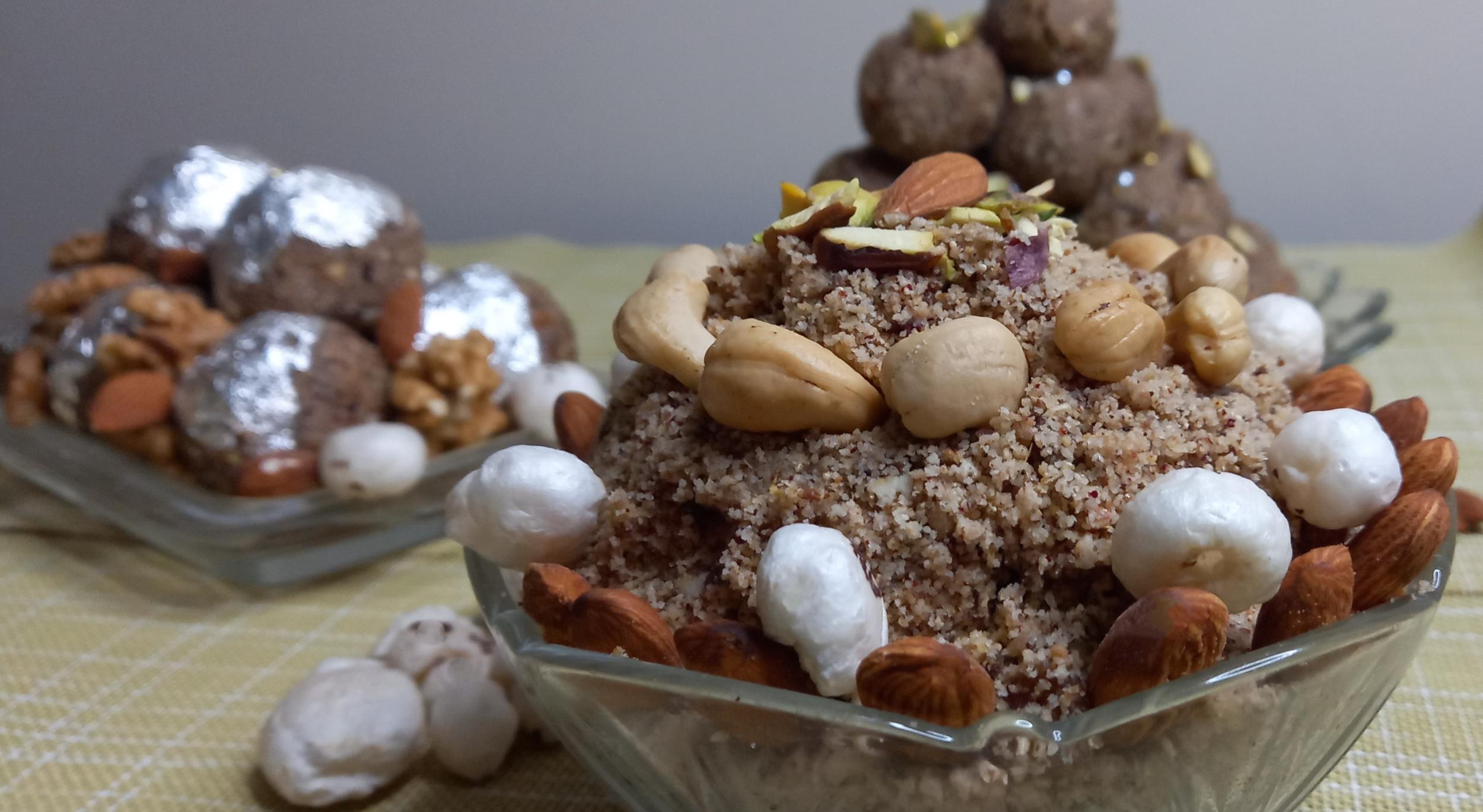
In the rich tapestry of South Asian culinary heritage, certain foods transcend mere sustenance to become enduring cultural touchstones—edible wisdom passed down through generations. Among these, Panjeeri (also spelled Panjiri or Panjeeri) emerges as a remarkable testament to ancestral nutrition science. This golden-hued, aromatic preparation of roasted semolina, desi ghee, dried fruits, nuts, and a carefully curated blend of medicinal herbs and spices stands as one of the subcontinent's most revered traditional superfoods, celebrated not just for its taste but for its rich history and profound health benefits.
More than a simple snack, Panjeeri represents a purposeful food—a culinary pharmacy in bowl form that has nourished new mothers during the sacred postpartum recovery period for centuries. Its careful balance of energy-restoring ingredients makes it an essential ally for lactating women, growing children, and those recovering from illness. In this blog post, we will explore Panjeeri’s fascinating history, its multifaceted health benefits, traditional and modern preparation methods, and its place in contemporary wellness practices. Join us on this journey to uncover the golden elixir of South Asia that continues to resonate through time.
The ancient origins of Panjeeri: A journey through South Asian history
Panjeeri’s roots trace back to the rich agricultural and medicinal traditions of the Indian subcontinent. Emerging from ancient Ayurvedic principles that emphasize rejuvenation and wellness, this timeless preparation dates back over 2,000 years. While specific historical documentation remains elusive, food anthropologists recognize Panjeeri as an exemplary reflection of Ayurvedic values, particularly during the postpartum recovery phase. Its formulation of roasted semolina, ghee, nuts, and a blend of medicinal herbs exemplifies a harmonious relationship between nutrition science and cultural practices, showcasing the wisdom of ancestral healing.
Regions across South Asia have adopted and adapted Panjeeri, embedding it deeply within their cultural identities. In Punjab, both Indian and Pakistani, families craft their unique variations, often incorporating local nuts and spices. Meanwhile, Kashmir adds a touch of luxury with saffron and almonds, and Rajasthan may introduce millet flour to its mix. The ritual of preparing Panjeeri transforms this food into a ceremonial act, often undertaken by elder women in a family, symbolizing communal support for new mothers. This practice transcends mere nourishment, weaving Panjeeri into the fabric of familial bonds and cultural legacy, thus establishing it as a cherished emblem of health and care.
The science behind Panjeeri: A nutritional powerhouse in every bite
Panjeeri is more than just a delicious treat; it is a carefully curated blend of ingredients, each chosen for its unique health benefits. At its base, roasted semolina (suji) delivers a solid foundation of complex carbohydrates, protein, and essential B vitamins. The low glycemic index of semolina ensures sustained energy levels, making it an ideal choice for new mothers recovering from childbirth. Paired with desi ghee, renowned for its high content of fat-soluble vitamins and butyric acid, Panjeeri supports gut health while providing concentrated energy needed during postpartum recovery.
Moreover, the combination of dried fruits and nuts in Panjeeri amplifies its nutritional profile. Almonds and walnuts contribute omega-3 fatty acids, crucial for fetal brain development, while dates and raisins offer natural sugars for quick energy and essential minerals like iron. Adding herbal ingredients like gond (edible gum resin) and fenugreek seeds further enhances Panjeeri’s benefits, aiding in bone health and lactation support. This powerful synergy of ingredients makes Panjeeri an exemplary representation of traditional food as medicine, showcasing the wisdom of ancient nutrition science that continues to thrive in modern wellness practices.
The timeless ritual of nourishing: How to incorporate Panjeeri into modern wellness
Incorporating Panjeeri into modern wellness practices is easier than ever, as its versatile nature allows for endless adaptations that suit contemporary lifestyles. For new mothers navigating postpartum recovery, consuming 2-3 tablespoons of Panjeeri twice a day provides the necessary nutrition and energy to support their demanding bodies. Mixing it into warm milk creates a comforting treat that nourishes both mother and child. Additionally, health-conscious individuals can enjoy this nutrient-dense preparation as an energy booster during busy mornings; simply sprinkle a tablespoon over oats or yogurt for a wholesome breakfast. The warming properties of Panjeeri make it particularly suitable for winter months, adding both nutrition and comfort during cooler days.
Moreover, Panjeeri is gaining recognition among athletes and health enthusiasts, who appreciate its natural ingredients as an alternative to processed energy bars. By blending Panjeeri into smoothies, or forming energy balls with honey for on-the-go nutrition, individuals find creative ways to integrate this traditional food into their active routines. This time-honored preparation can also inspire modern recipes, such as laddoos or porridge, allowing everyone to experience the nourishing benefits of Panjeeri. By adapting this ancient elixir for today's wellness desires, we not only honor our culinary heritage but also ensure that generations continue to reap the rewards of this golden superfood.
For further details regarding variation and recipe visit our WordPress Blog.