
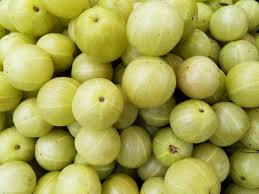
Amla, scientifically known as Phyllanthus emblica or Indian Gooseberry, is often hailed as one of nature's most powerful superfruits, and for good reason. With a rich heritage spanning over 5,000 years, this remarkable fruit has been deeply ingrained in South Asian culture and wellness practices, from ancient Ayurvedic medicine to contemporary nutrition. Packed with an impressive array of antioxidants, vitamins, and healing properties, Amla boasts a wealth of health benefits that can enhance immunity, improve digestion, and promote radiant skin and hair. Whether you enjoy it fresh, dried, or in delightful recipes like chutneys and murabbas, Amla’s versatility makes it an essential addition to any health-conscious diet.
In this blog post, we delve into the origins and historical significance of Amla, explore its incredible nutritional profile, and highlight its myriad health advantages. Additionally, we’ll uncover the transformative impact of Amla in beauty and wellness routines, showcasing effective recipes and remedies that harness its natural potency. Join us on this journey to understand why Amla has earned its esteemed title as a superfruit and discover how you can easily incorporate it into your life for a healthier, more vibrant you.
Unveiling amla: The ancient superfruit rooted in tradition and wellness
Amla, scientifically known as Phyllanthus emblica or Indian Gooseberry, boasts a rich history that stretches back over 5,000 years. As one of the oldest fruits in South Asian culture, it has held a revered position since ancient times. In Ayurveda, Amla is celebrated as a Rasayana, meaning a rejuvenating food that enhances vitality, immunity, and overall health. Its Sanskrit name, “Amalaki,” translates to the sustainer, reflecting its integral role in traditional medicine and daily wellness routines. The recognition of Amla’s potency goes hand in hand with its adaptability, making it a popular choice in various forms, from raw fruits to herbal formulations.
The geographical origins of Amla span the tropical and subtropical regions of India, Nepal, Pakistan, Sri Lanka, and Bangladesh, where it thrives in diverse climates. Harvested primarily during the winter months, Amla’s seasonal growth cycle ensures its availability in many forms throughout the year—fresh, dried, powdered, or preserved. Beyond its historical and cultural significance, contemporary science increasingly validates Amla's status as a superfruit packed with essential nutrients and medicinal properties. As health enthusiasts and wellness seekers explore natural remedies and superfoods, Amla remains a striking example of a fruit that seamlessly bridges ancient traditions with modern-day nutrition.
Nutritional powerhouse: Unlocking the health benefits of amla
Amla, scientifically known as Phyllanthus emblica or Indian Gooseberry, is a nutritional powerhouse that boasts an impressive profile rich in essential vitamins and antioxidants. One of its standout features is its exceptionally high Vitamin C content, containing 600–700 mg per 100g, which outweighs that of oranges by a remarkable 20 times. This vibrant fruit is not only low in calories—only 44 per 100g—but also provides dietary fiber, iron, calcium, and a unique blend of powerful antioxidants like gallic acid and ellagic acid. These compounds help combat oxidative stress, promote cellular health, and support an overall rejuvenating effect on the body, making Amla an excellent addition to any health-conscious diet.
The health benefits of Amla extend far beyond its rich nutritional value. Regular consumption of this superfruit can enhance immunity, improve digestion, and support heart health. The high Vitamin C content fortifies the immune system, helping the body fend off infections and seasonal illnesses. Amla also plays a vital role in digestive health by alleviating acidity, easing constipation, and boosting metabolism. Moreover, its ability to regulate blood sugar levels makes it particularly beneficial for diabetics, while its antioxidant properties contribute to reducing cholesterol and improving cardiovascular health. Incorporating Amla into your daily routine can thus lead to a range of transformative health benefits that promote longevity and well-being.
Amla in your beauty routine: Transforming skin and hair naturally
Incorporating Amla into your beauty routine can yield remarkable results for both skin and hair. Amla oil, a popular choice in hair care, penetrates deep into the scalp, strengthening hair follicles and reducing hair fall. Regular application of Amla hair masks made from the powdered fruit or blended oil can boost hair growth, enhance shine, and combat premature greying. The rich vitamin C content in Amla also helps maintain scalp health by preventing dandruff and supporting optimal hydration levels, making it an indispensable ingredient in natural hair care formulations.
When it comes to skincare, Amla shines as a natural rejuvenator. Its antioxidant properties work to brighten the complexion, reduce pigmentation, and minimize the appearance of fine lines and wrinkles. Many beauty enthusiasts use Amla juice in their daily routines for a natural glow. Additionally, applying Amla-infused homemade masks can tighten pores and even out skin tone, offering a youthful appearance. With Amla's diverse range of benefits for hair and skin, it’s clear why this superfruit deserves a spot on your beauty shelf.